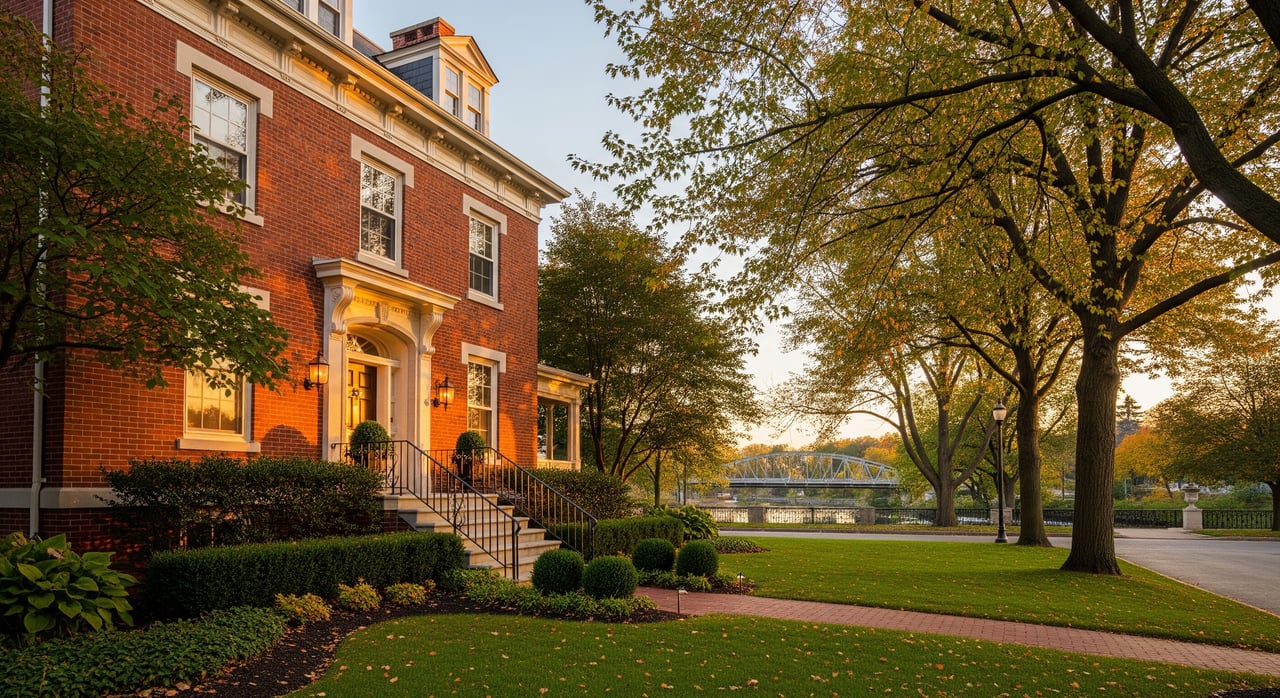
Wondering what everyday life in Ann Arbor really feels like? Maybe you picture leafy streets, a lively downtown, or a quick paddle on the Huron River after work. If you are weighing a move, you want a clear sense of neighborhoods, parks, culture, and daily routines before you choose a home. This guide gives you a grounded look at how Ann Arbor lives day to day, plus practical tips to help you find a neighborhood that fits. Let’s dive in.
Ann Arbor neighborhoods at a glance
Ann Arbor is a mid-sized college city anchored by the University of Michigan. The campus energy blends with long-established neighborhoods, giving you a choice of walkable downtown blocks, historic districts, and quieter residential areas with parks and schools. Here is a quick snapshot of key areas many buyers explore:
- Downtown and Central Campus (State St., Main St., South University). Highest walkability with restaurants, bookstores, theaters, and frequent events tied to the university calendar. Expect a mix of apartments, condos, and historic multi-unit homes, plus permit parking and meter zones.
- Kerrytown and Old Fourth Ward. Home to markets, boutique shops, and a strong food culture. You will see historic homes and small condos, all a short walk to downtown amenities.
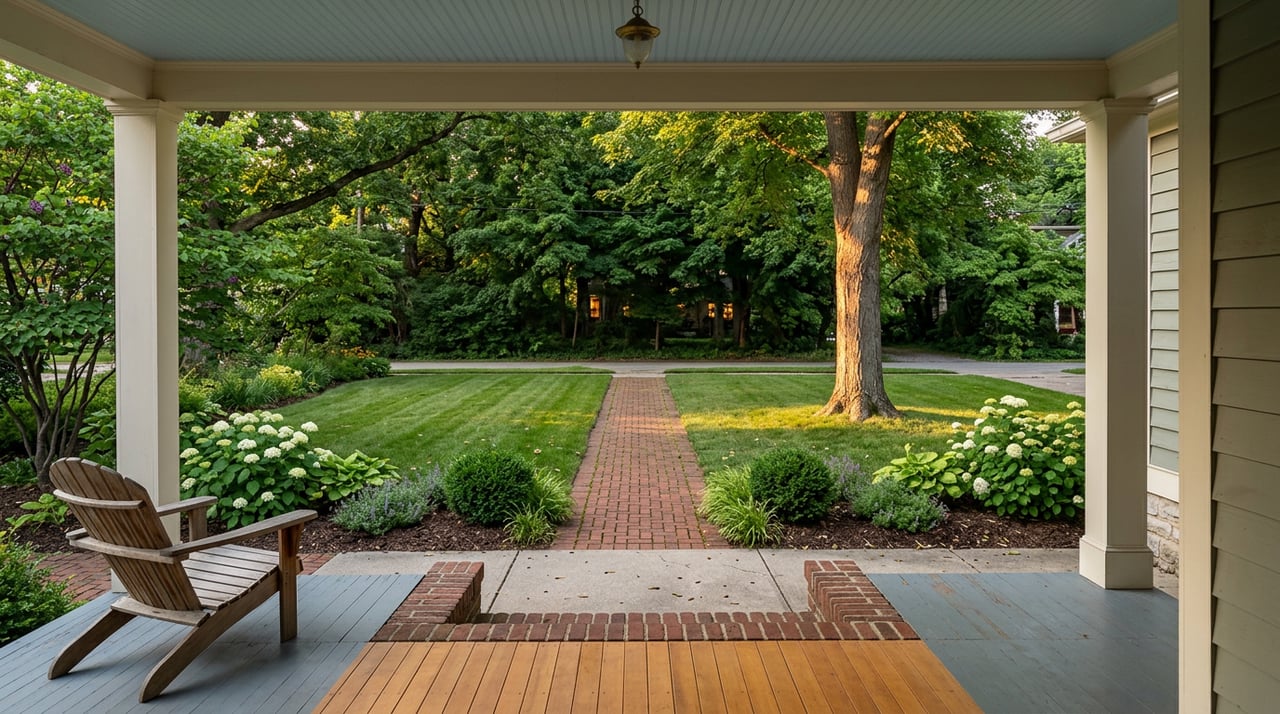
- Old West Side and Burns Park. Tree-lined streets and late 19th to early 20th-century homes create a classic residential feel. These areas sit near downtown and campus while maintaining a calmer atmosphere than student-focused streets.
- North Campus and Northside. Close to engineering, music, and research facilities. You will find a mix of student housing, single-family homes, and research offices, with short commutes to north campus jobs.
- South University and Central Student District. High-density student living with eateries and nightlife. Many renters choose this area for proximity to classes and campus events.
- West and Southwest (Maple area, Westgate corridor). Suburban-style blocks with shopping centers and ongoing redevelopment. Single-family homes, larger lots, and easy car access are common draws.
- Southeast and Miller/Arbor Hills. Newer subdivisions and residential pockets served by city parks and community centers, often with convenient access to Ann Arbor Public Schools.
Housing patterns and timing
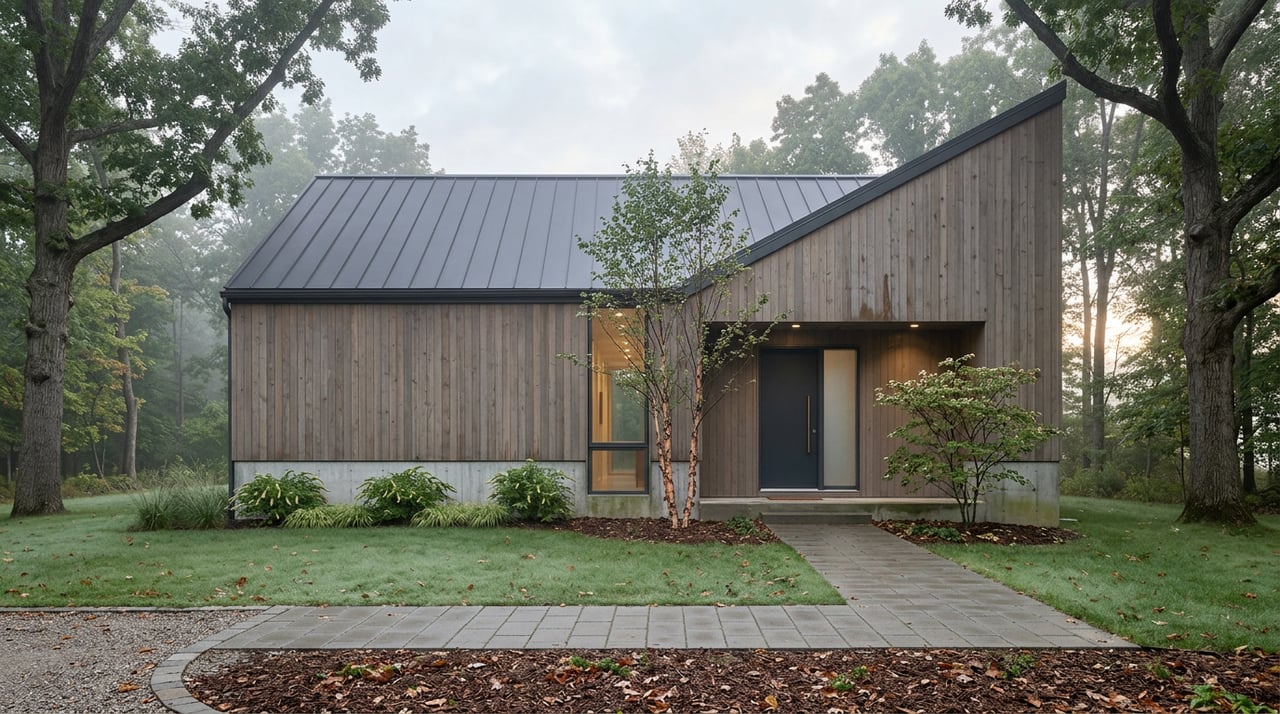
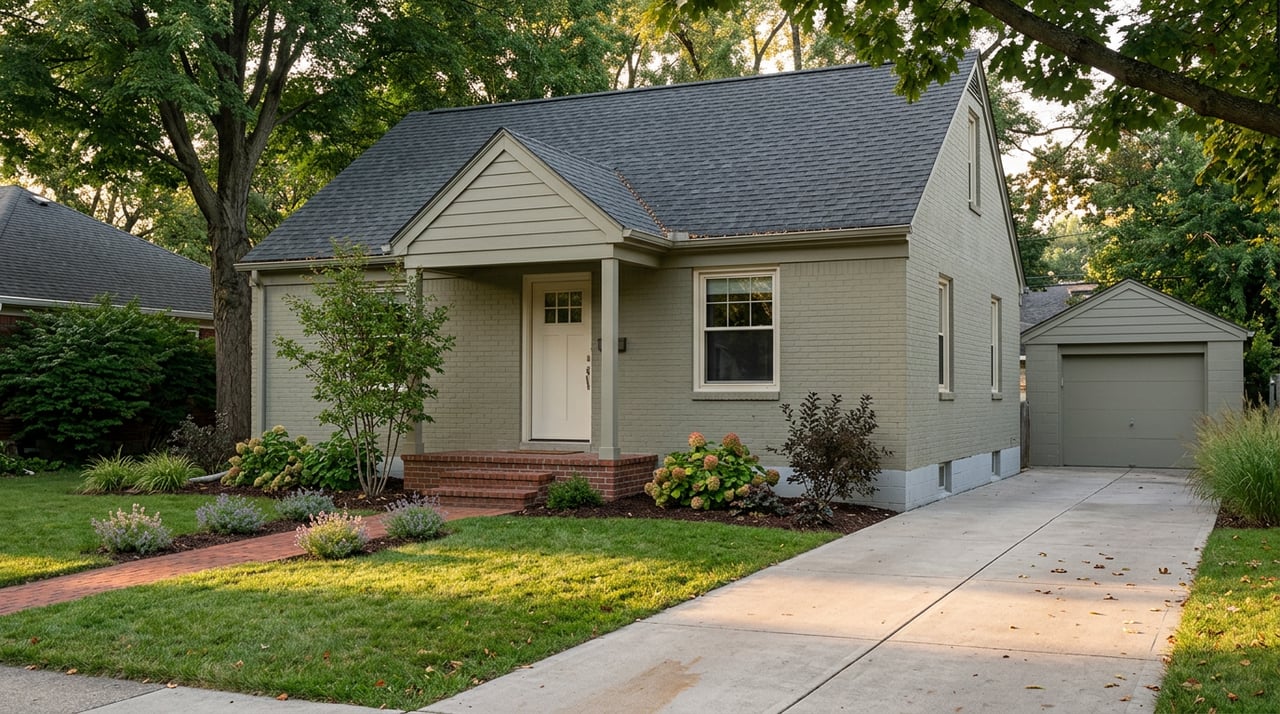
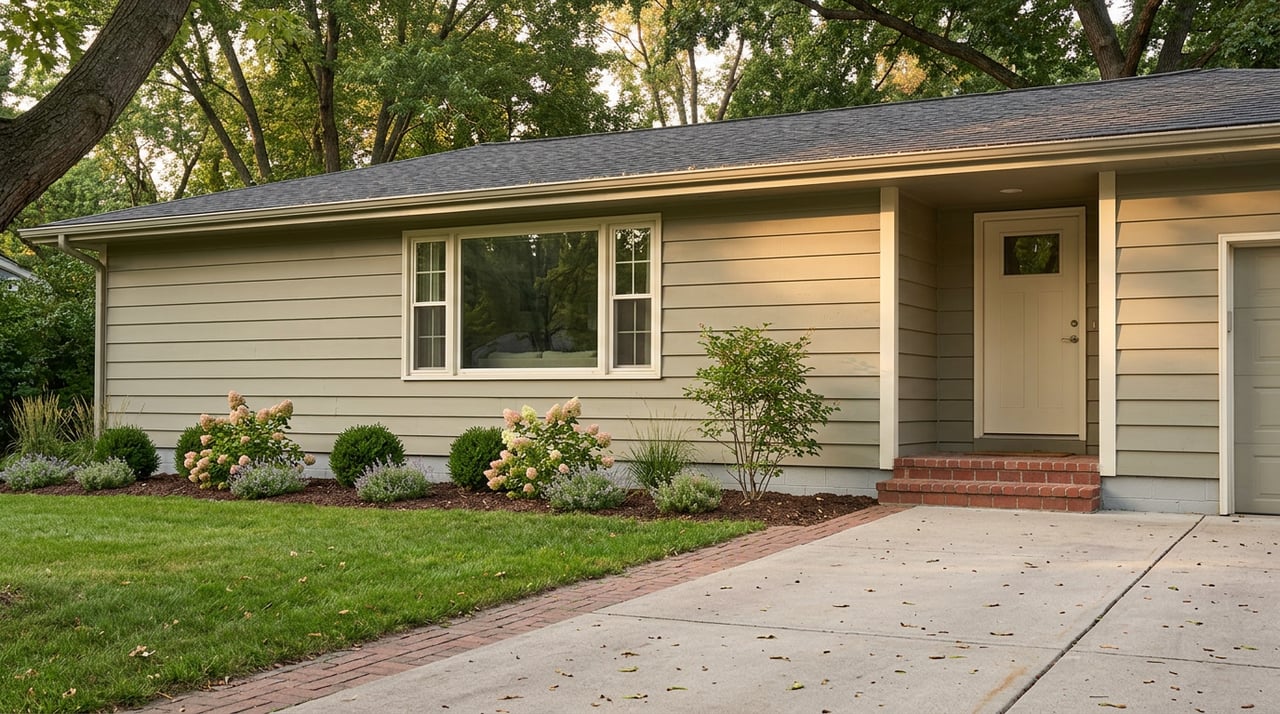
You will see a wide range of housing styles: historic Victorians and bungalows in older districts, mid-century ranches in many residential pockets, and newer infill or condo options near commercial hubs. Demand near campus is shaped by the academic calendar, which can influence timing and competition for rentals and sales.
If you plan to buy near downtown or in student-heavy areas, factor in parking rules, rental licensing, and potential historic-district guidelines. In older homes, consider renovation needs and lot sizes. In family-oriented neighborhoods, longer-term owner-occupancy is common and amenities like parks and libraries help set the daily rhythm.
Parks, the river, and trails
Ann Arbor’s green spaces stitch the city together. Whether you want an early morning run, a family walk after school, or a weekend on the river, you will have options across seasons.
Signature green spaces
- Nichols Arboretum. Locals call it “The Arb,” a wooded, hilly landscape along the river with trails and seasonal blooms. It is managed with its sister site by the University of Michigan’s Matthaei Botanical Gardens. You can browse programs and maps at the University’s pages for the Matthaei Botanical Gardens and Nichols Arboretum.
- Matthaei Botanical Gardens & Conservatory. An indoor conservatory plus outdoor trails make this a year-round stop for learning and nature walks. See current exhibits and educational offerings on the same Matthaei and Nichols Arboretum pages.
- Huron River corridor. Gallup Park, Bandemer Park, and Argo Park form a connected riverfront playground with canoe and kayak launches. In warm months, paddling and the Argo Cascades are popular, and multi-use paths invite long walks and bike rides.
- Border-to-Border (B2B) Trail. This county-wide multi-use trail links neighborhoods and parks for walking, running, and cycling. Portions are complete and more segments are in development. Learn more on the county’s Border-to-Border Trail page.
Seasonal rhythms outdoors
Summer brings patios, farmers markets, festivals, and long days on the water. You will see families and students alike biking to parks, tubing the Cascades, and meeting friends at picnic tables by the river. In winter, wide open spaces and trails stay active for walking, and some residents enjoy cross-country skiing when conditions allow.
Many parks are stroller-friendly, though natural areas can include hills and unpaved paths. Boat rentals and paddling are seasonal and weather-dependent, so check conditions before you go.
Culture, events, and food
Thanks to the University of Michigan and long-standing arts institutions, cultural life runs year-round. You can fill a week with concerts, lectures, theater, film, and museum visits without leaving the city.
University-fueled culture
International performers, visiting scholars, and student ensembles keep performance calendars busy. Venues like Hill Auditorium and the student arts scene sit alongside community staples such as the Michigan Theater and the University of Michigan Museum of Art. Explore current exhibits and programs at the University of Michigan Museum of Art.
Festivals worth planning for
- Ann Arbor Art Fair. One of the nation’s largest outdoor juried art fairs spans multiple days each summer and draws artists from across the country. See dates and maps on the Ann Arbor Art Fair site.
- Ann Arbor Summer Festival. Evenings outdoors with music, film, and family programming create a community hub during early summer weeks. Check schedules and lineups at the Ann Arbor Summer Festival site.
- Ann Arbor Film Festival. The annual spring festival highlights experimental and independent film with screenings, workshops, and discussions. Learn more at the Ann Arbor Film Festival site.
Year-round, the Kerrytown farmers market and other local markets anchor weekend routines with seasonal produce and artisanal foods. For broader events and planning ideas, browse Visit Ann Arbor’s guides.
Dining and coffee
For a city of its size, Ann Arbor’s restaurant scene is diverse. You will find iconic delis, international cuisines, farm-to-table menus, brewpubs, and a strong coffee culture. Downtown, the State Street and Main Street corridors cluster many options, while residential neighborhoods offer local favorites that become part of your weekly routine.
Getting around, schools, and daily logistics
Living in Ann Arbor often means mixing modes of transportation. Many residents walk or bike for local errands and use buses or cars for longer trips. School and library systems add structure and resources to daily life.
Transportation and commuting
- Local bus service. The Ann Arbor Area Transportation Authority operates routes throughout the city, including corridors that connect to the university and medical centers. Routes, maps, and schedules are available at TheRide.
- Regional connections. The Amtrak Wolverine line serves Ann Arbor with connections toward Detroit and Chicago. Highways I-94, US-23, and M-14 provide regional access, and Detroit Metro Airport is typically a 30 to 60 minute drive depending on traffic.
- Walking and biking. Downtown and campus are highly walkable, and the city continues to expand bike lanes and multi-use trails. The B2B Trail and riverfront paths support commuting and recreation in warmer months.
- Parking. Expect a mix of meters, permit zones, and garages near downtown and campus. Car ownership is common outside the core.
Schools and lifelong learning
Ann Arbor Public Schools serve many city neighborhoods and offer a variety of programs that can influence where families choose to live. For current boundaries and enrollment information, visit Ann Arbor Public Schools. The Ann Arbor District Library provides multiple branches and robust programming for kids and adults, a valuable amenity no matter your neighborhood. Explore events and locations at the Ann Arbor District Library.
Higher education is part of everyday life. The University of Michigan hosts public lectures, performances, and exhibits, and nearby Washtenaw Community College adds academic and vocational options.
Employment and cost context
The University of Michigan, including Michigan Medicine, anchors the local economy alongside health care, education, tech startups, research, and professional services. Startup activity supported by groups like Ann Arbor SPARK contributes to a steady pipeline of jobs and innovation.
Housing and living costs are often higher than many Michigan communities, reflecting demand tied to the university and health system. Near campus, student-driven rental needs can create localized competition at certain times of year. If you are evaluating options as a buyer or investor, factor in rental rules, short-term rental regulations, and your preferred timeline.
How to choose your neighborhood
Choosing a home in Ann Arbor comes down to matching daily life with the right setting. Use this simple framework to focus your search:
- Commute and transit. List your typical destinations and preferred travel modes. If you want to walk to errands and evening events, target downtown-adjacent blocks. If you prefer a garage and quick highway access, look toward west, southwest, or newer southeast neighborhoods.
- Daily routines. Map the places you visit most, such as parks, libraries, markets, and fitness spots. The Huron River corridor and The Arb can be weekly anchors if you live nearby.
- Home type and maintenance. Decide whether you want vintage charm with potential projects or a newer build with fewer updates. Condos near the core can simplify maintenance if you value a lock-and-leave lifestyle.
- Parking, zoning, and licensing. Near downtown and campus, check permit requirements and any historic-district guidelines. If you plan to rent part of a property, review local rental licensing rules.
- Noise and schedule. Visit potential streets during the day and evening. Student-focused areas can be livelier at night during the academic year.
- Schools and programs. Review AAPS boundary maps and program offerings to understand how a property aligns with your plans.
If you want a curated shortlist and neighborhood tours keyed to your lifestyle and timeline, our team can help you compare options side by side and move with confidence.
Ready to explore Ann Arbor with a local guide? Connect with Charles by Reinhart to map your fit, tour homes, and plan next steps.
FAQs
What are the main Ann Arbor neighborhoods to compare?
- Downtown and Central Campus for walkability, Kerrytown for markets and historic homes, Old West Side and Burns Park for tree-lined streets, Northside for proximity to research hubs, and west or southeast areas for suburban-style options.
How walkable and bikeable is Ann Arbor for daily errands?
- Downtown and campus are highly walkable, and the city’s bike lanes plus the county’s Border-to-Border Trail support cycling, though hills and winter weather can affect year-round riding.
What is the outdoor scene like across seasons in Ann Arbor?
- Warm months center on river paddling, the Argo Cascades, trails, and patios, while winter brings active walking on park paths and occasional cross-country skiing in open areas when conditions allow.
How do I commute to the University or medical centers without a car?
- Many residents use TheRide bus routes, bike on signed lanes and trails, or combine modes, and some university affiliates also use campus shuttles for trips between facilities.
How do schools factor into choosing a neighborhood in Ann Arbor?
- Ann Arbor Public Schools serve many neighborhoods with various programs, so it is helpful to confirm current boundaries and offerings at AAPS as part of your search.