Wondering how to make your Chelsea home stand out without stripping away the character that makes it special? If you are getting ready to sell, that balance matters. The right staging can help buyers see a home that feels polished, functional, and true to Chelsea’s small-town appeal. Let’s dive in.
Why Chelsea staging should feel local
Chelsea is a compact small city with a historic identity, walkable downtown, and a lifestyle shaped by local shops, events, parks, and outdoor access. With just 3.62 square miles of land area, a 63.0% owner-occupied housing rate, and a median owner-occupied home value of $312,700, many homes here compete by offering personality as much as square footage.
That is why staging in Chelsea should not feel generic. Instead, your home should present as clean and move-in ready while still reflecting the details buyers expect in a community known for historic downtown architecture, Victorian neighborhoods, and an active local culture.
Highlight character, not clutter
Let original details lead
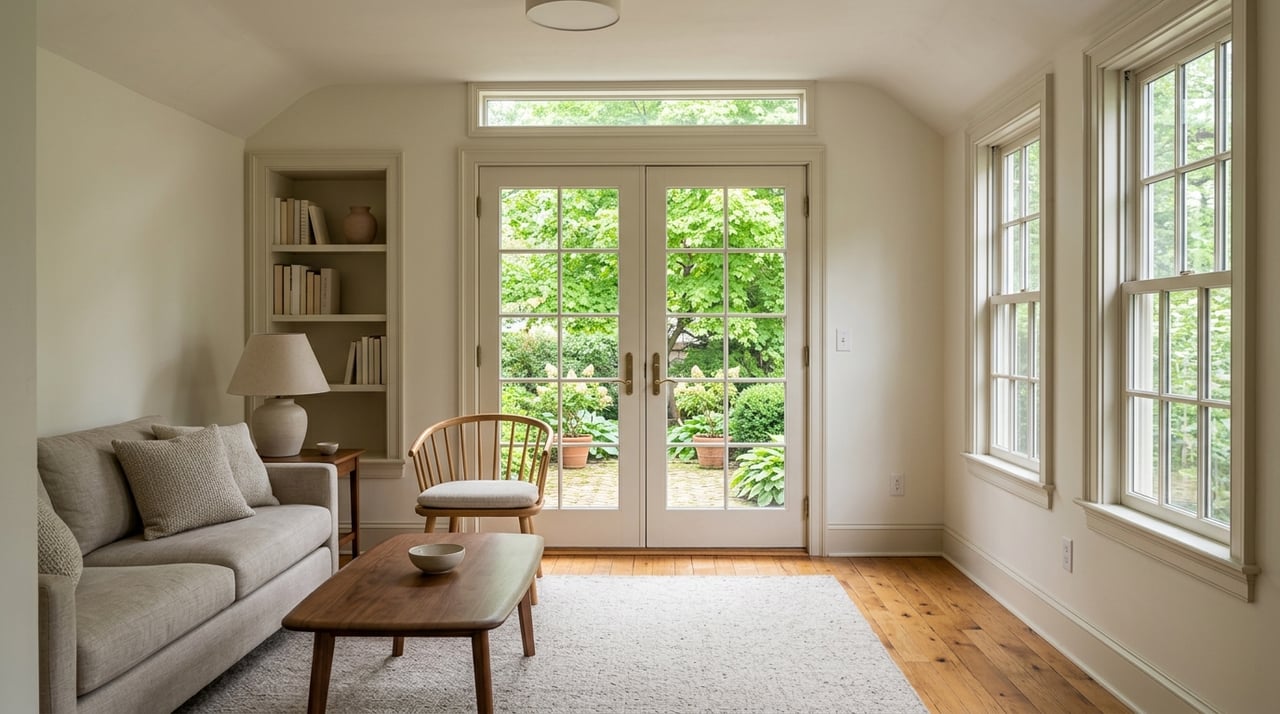
If your home has older architectural features, make them easier to notice. Trim, wood floors, built-ins, tall windows, porch details, and other original elements should feel visible instead of crowded by extra furniture or busy decor.
In a place like Chelsea, where historic character is part of the town’s identity, buyers often respond well to homes that feel authentic. Your goal is not to modernize every room. Your goal is to simplify the space so the architecture can speak for itself.
Remove distractions first
Before you add styling, subtract anything that competes with the room. Personal photos, oversized collections, loud patterns, and bulky furniture can make buyers focus on your belongings instead of the home.
A clean, edited room also photographs better. That matters because buyers often form their first impression from online photos, video, and virtual tours.
Make smaller rooms feel open
Use less furniture
For many Chelsea homes, especially in-town properties, scale matters. Smaller footprints can still feel inviting, but only if each room has enough open space to show how it functions.
Try using fewer pieces of furniture in the living room, kitchen, and primary bedroom. These are among the most important spaces to stage, and they should feel easy to walk through and easy to understand at a glance.
Create clear paths
Every showing should make movement through the home feel natural. Buyers should be able to walk from the entry to the living room, through the kitchen, and into bedrooms without squeezing past chairs, baskets, or decorative items.
If a room feels tight, remove extra accent chairs, storage bins, pet items, or workout gear. This does not change the size of the home, but it helps buyers see the size more clearly.
Keep the look light and simple
Restrained styling works best when you want a home to feel larger. Neutral bedding, simple window treatments, and a few well-placed accessories can help a room feel finished without making it feel full.
This is especially important in high-traffic areas. Clean counters, tidy floors, and open surfaces help buyers focus on the layout and condition of the home.
Stage the rooms buyers notice most
Living room
The living room often sets the tone for the whole showing. Use seating that fits the room, anchor it with a rug if needed, and keep the arrangement conversational and open.
If you have a fireplace, picture window, or original trim, orient the room so those features stay visible. Buyers should understand the focal point within seconds.
Kitchen
In the kitchen, less is usually more. Clear most countertop items, store away small appliances, and leave only a few practical accents so the workspace feels usable.
If your kitchen connects to a dining area, make sure that transition feels smooth. Even a compact eat-in space can feel appealing when chairs are tucked in and surfaces are uncluttered.
Primary bedroom
The primary bedroom should feel calm and easy to maintain. Use simple bedding, limit furniture to essentials, and create enough open floor space around the bed.
This room does not need dramatic styling. It needs to feel restful, bright, and proportional to the home.
Use outdoor space to tell the lifestyle story
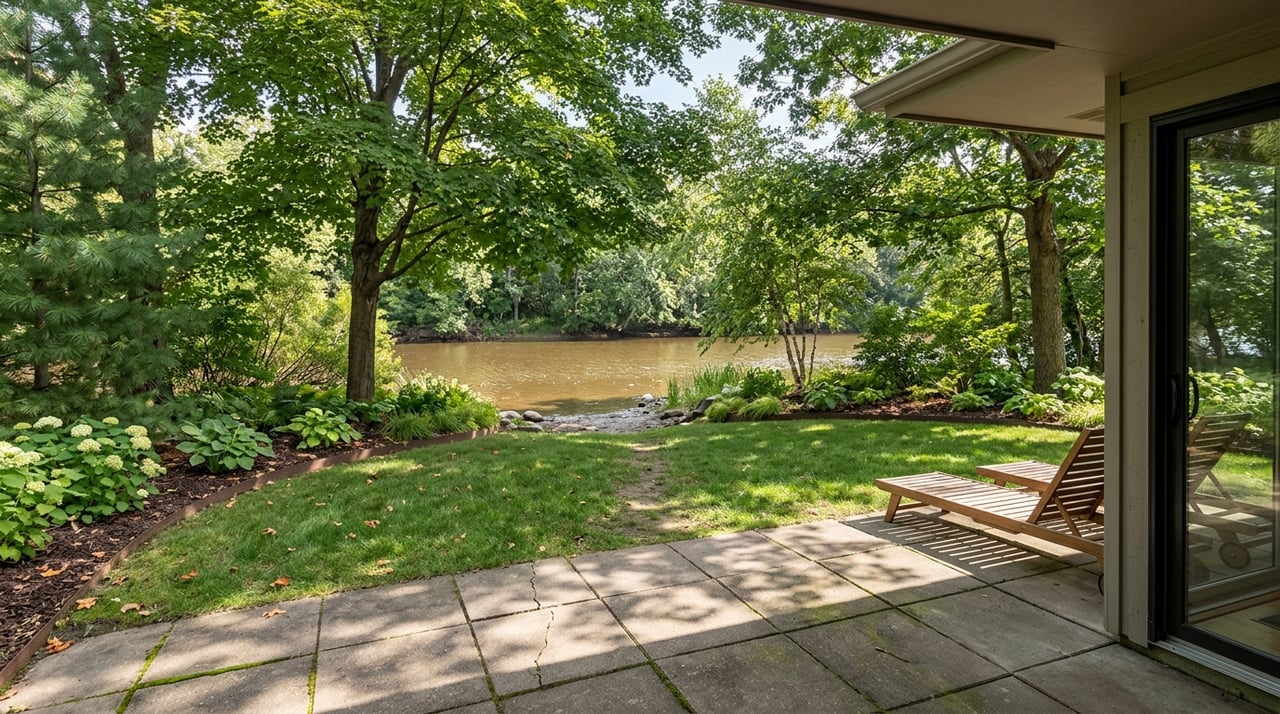
Chelsea’s identity is tied to outdoor life as well as downtown activity. With places like Waterloo Recreation Area, Timbertown, Veterans Memorial Park, Pierce Park, and Palmer Commons contributing to the community feel, outdoor space can carry real weight in how buyers imagine daily life.
That means your porch, deck, patio, or yard should not look like an afterthought. It should feel usable, cared for, and connected to the home.
Porches and patios
A small front porch can be one of your strongest assets in Chelsea. A simple pair of chairs, a clean doormat, and tidy planters can make the entrance feel welcoming without overdoing it.
For patios and decks, set up a clear purpose. A small dining table, a seating area, or even just a defined conversation spot helps buyers picture themselves using the space.
Larger lots outside downtown
If your property sits on a bigger parcel, avoid trying to fill the entire yard. Instead, show that the outdoor space is manageable and intentional.
Mow the lawn, define garden beds, and create clear walking paths from the house to the backyard. A few seating areas can go further than a lot of scattered decor.
Prepare for photos with Chelsea in mind
Lead with curb appeal
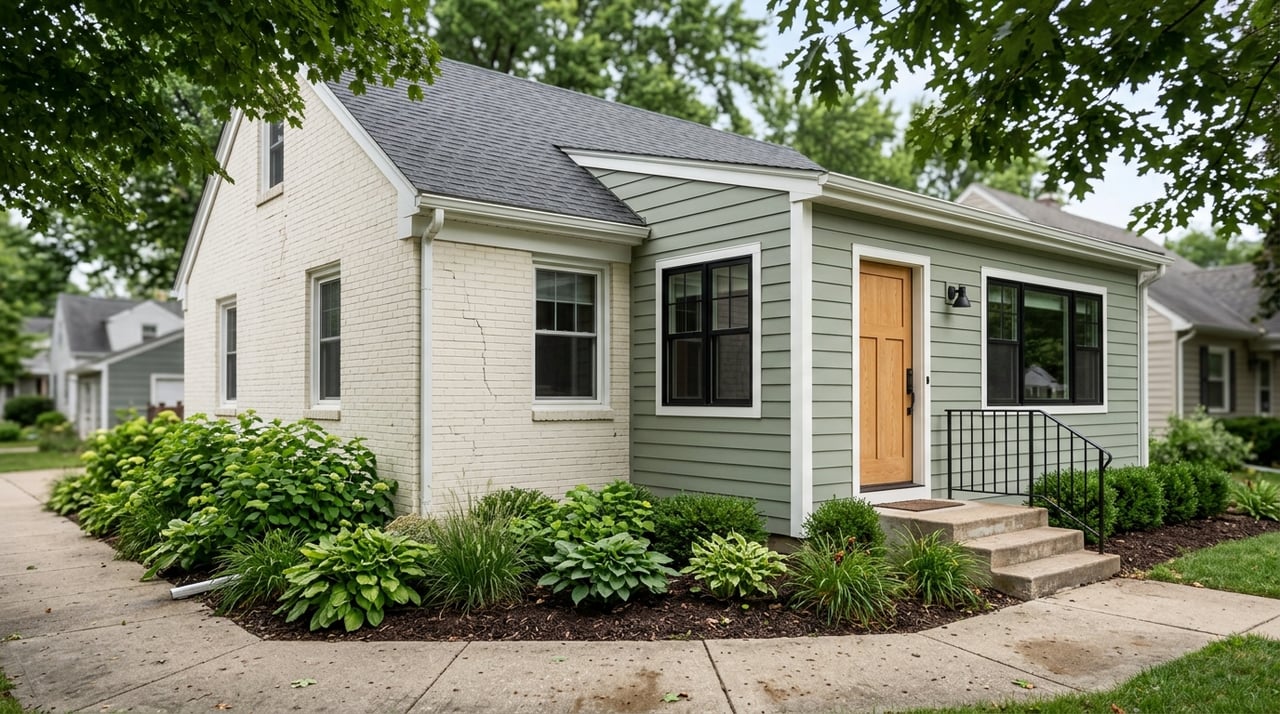
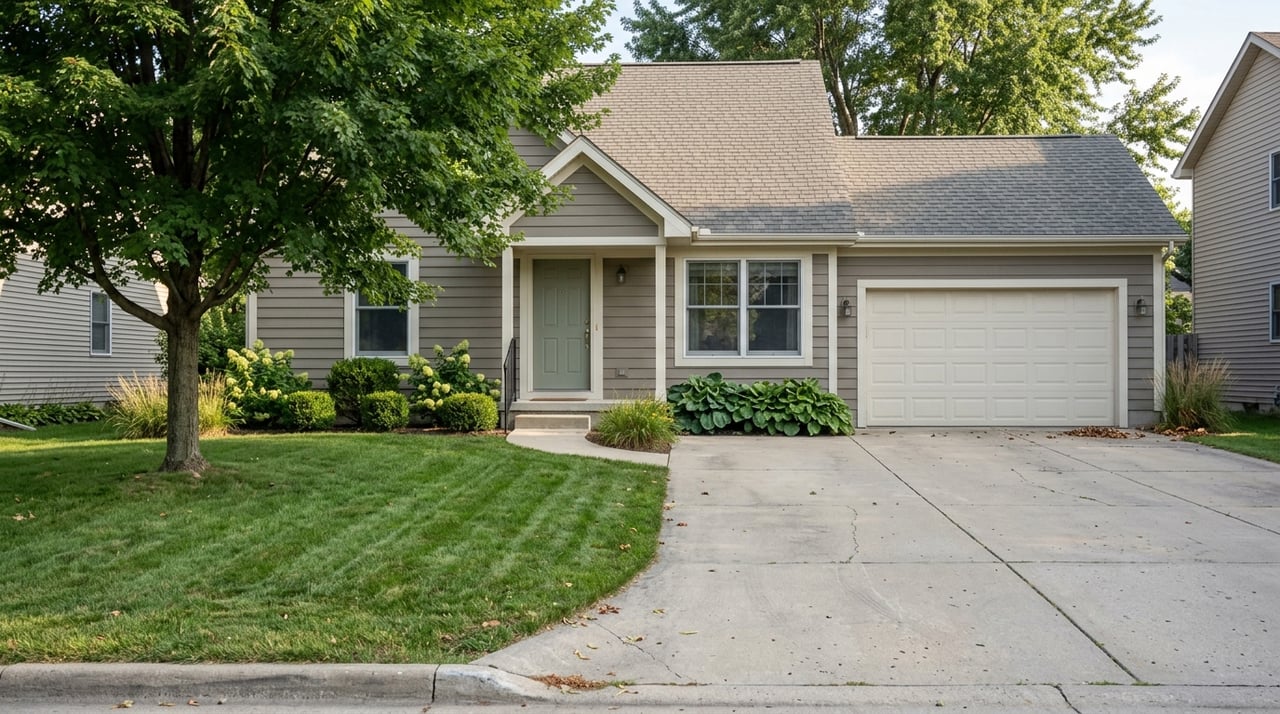
Your front exterior should help buyers understand the home right away. In Chelsea, that first image should feel neat, approachable, and true to the setting.
Make sure the porch is styled, the landscaping is tidy, and the entry is clean before photos. If the home has strong architectural character, let that be the star of the first shot.
Follow a smart photo sequence
A useful photo order for a Chelsea listing is:
- Front exterior
- Porch
- Entry
- Living room
- Kitchen
- Primary bedroom
- Dining area
- Backyard or patio
- Closets, mudroom, or garage
This sequence helps buyers read the home as both functional and inviting. It also supports the small-town lifestyle story many buyers are already looking for when they search in Chelsea.
Time outdoor photos carefully
If you have outdoor living areas, photograph them when the yard is freshly maintained and the furniture is in place. A tidy exterior can make a major difference in how buyers interpret the rest of the property.
This is especially true for homes where porch life, backyard space, or garden areas add to the appeal. Buyers should see those spaces as ready to enjoy.
Be thoughtful with historic homes
Chelsea has a local historic-district ordinance that applies to exterior work affecting the appearance of a resource in a historic district. If your home falls under those rules, temporary staging is usually straightforward, but visible exterior repairs, paint changes, or alterations should be reviewed before you start.
That is an important detail for sellers who want to freshen up curb appeal before listing. A smart plan can improve presentation while staying aligned with local requirements.
When professional staging may be worth it
Not every home needs full professional staging, but some benefit from it more than others. If your home has tricky room sizes, distinctive architecture, or furniture that does not fit the scale of the space, expert help can make the listing easier for buyers to understand.
Recent industry data found that 49% of sellers’ agents said staged homes sold faster, while 29% reported staged homes received a 1% to 10% higher dollar offer. The same report found a median staging cost of $1,500 for a professional service, compared with $500 when the agent handled staging themselves.
For many Chelsea sellers, the decision comes down to presentation. If strong staging helps buyers connect with the home faster, it may support better momentum once the listing goes live.
A practical Chelsea staging checklist
Before photos and showings, focus on the basics:
- Deep clean every room
- Declutter visible surfaces
- Depersonalize wall art and photos
- Repair small cosmetic issues
- Remove oversized or extra furniture
- Keep walkways open
- Style the porch or patio simply
- Tidy landscaping and mow the lawn
- Store pet items, bins, and workout gear
- Make living room, kitchen, and primary bedroom your top priorities
Staging works best when it helps buyers see both the home and the life that comes with it. In Chelsea, that usually means presenting your space as warm, well-kept, and connected to the town’s historic, outdoor, and community-centered appeal.
If you are preparing to sell in Chelsea and want a thoughtful plan for staging, marketing, and presentation, Charles by Reinhart can help you put your home’s best features forward.
FAQs
What is the best staging approach for a Chelsea home?
- The best approach is to keep the home clean, simple, and move-in ready while highlighting the character, layout, and outdoor spaces that fit Chelsea’s small-town appeal.
Which rooms matter most when staging a Chelsea house for sale?
- The living room, primary bedroom, and kitchen are the most important rooms to focus on because they strongly influence how buyers view the home online and in person.
How should you stage a smaller Chelsea home?
- Use fewer furniture pieces, keep walkways clear, and remove clutter so buyers can easily understand the room size, sightlines, and function.
How can outdoor staging help sell a home in Chelsea?
- A tidy porch, patio, deck, or yard helps buyers picture everyday use and connects the property to Chelsea’s strong outdoor and community lifestyle.
What should sellers know about staging a historic home in Chelsea?
- If the home is in a local historic district, temporary staging is usually simple, but visible exterior repairs or changes should be checked against Chelsea’s local historic-district rules first.
Is professional staging worth it for a Chelsea listing?
- It can be worthwhile if your home has challenging room sizes, distinctive architecture, or presentation issues that make it harder for buyers to read the space quickly.