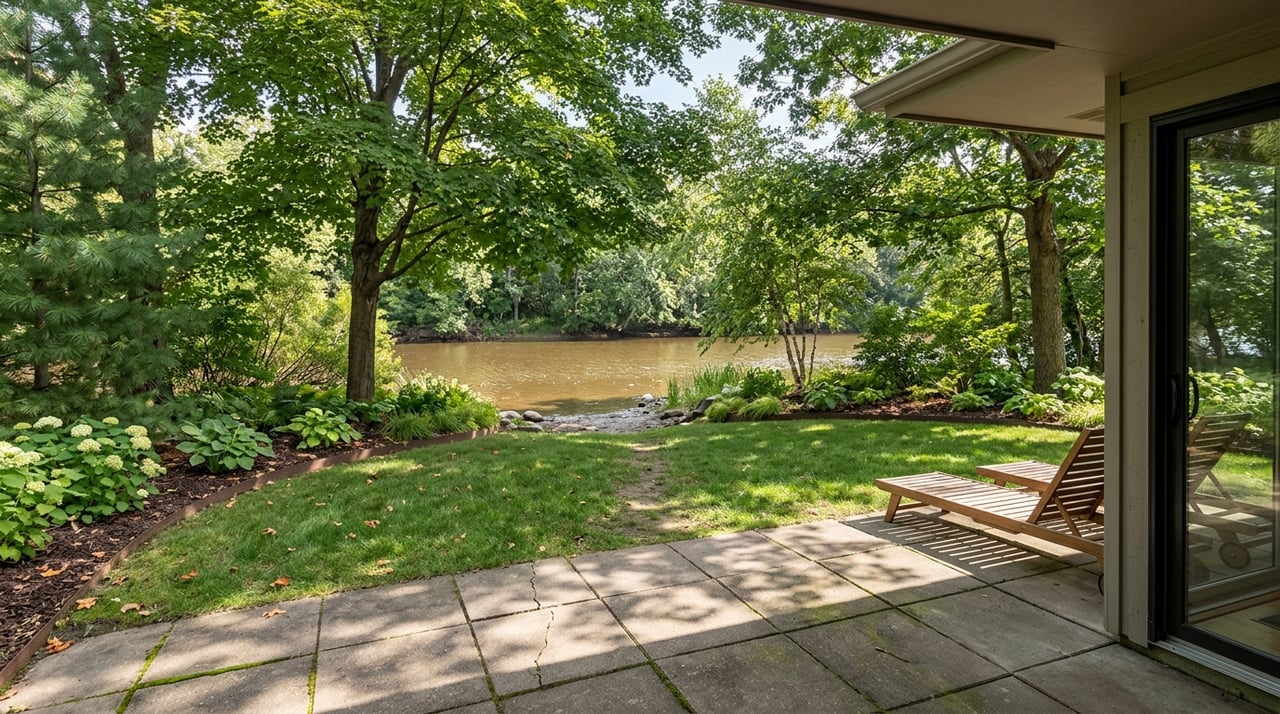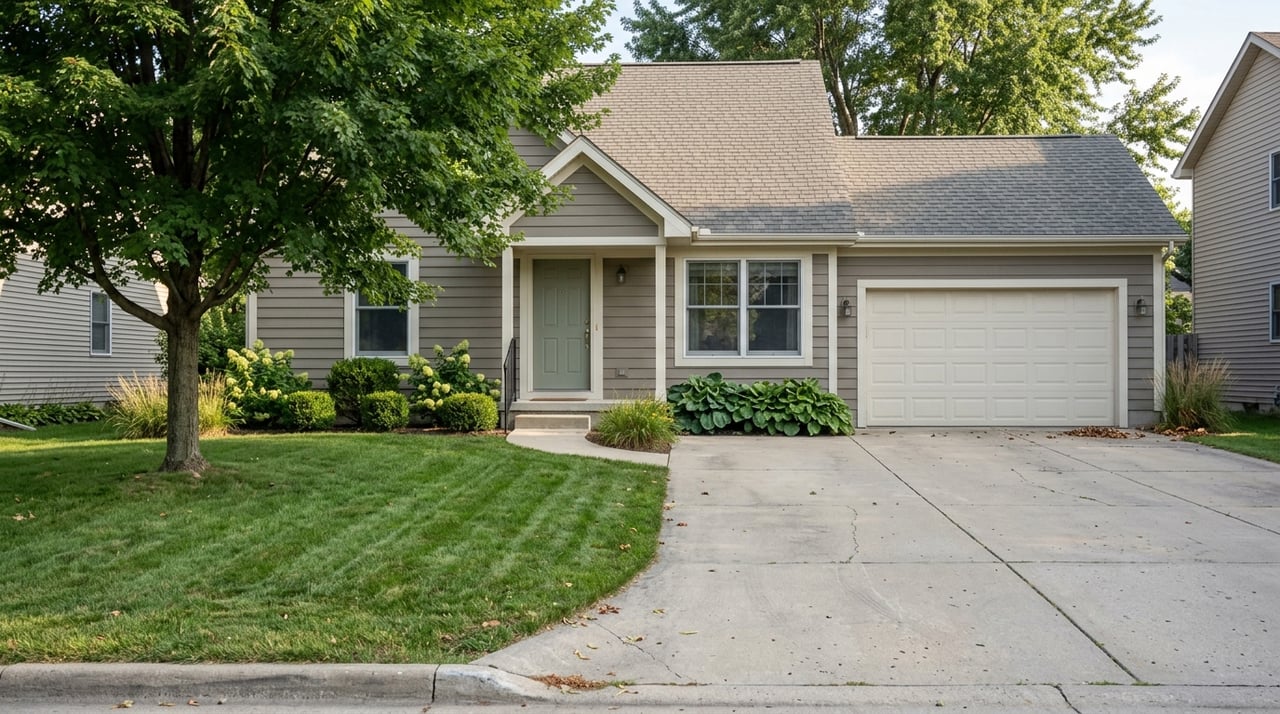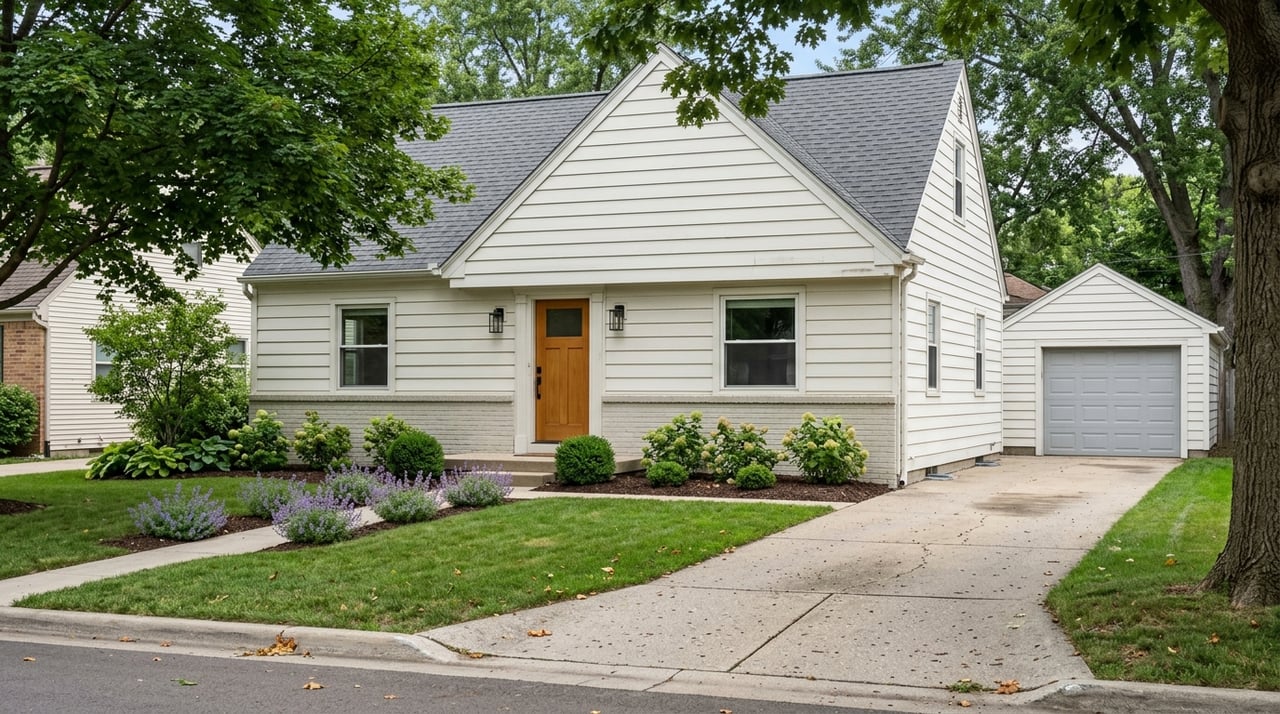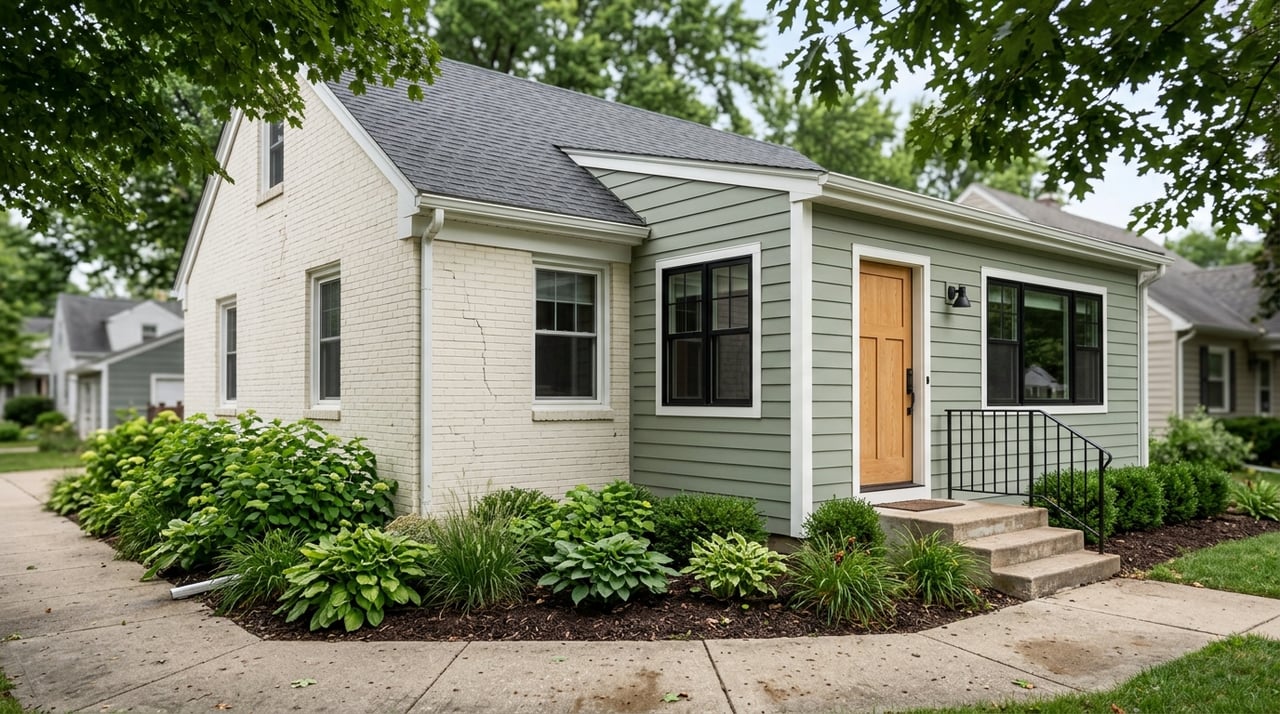
If you are drawn to Chelsea, you may already know the real question is not just which house to buy. It is also which version of Chelsea fits your day-to-day life best. Some buyers picture a home near the historic downtown grid, while others want the comfort of newer systems and a more predictable layout. This guide will help you compare historic charm and new construction in Chelsea so you can focus on the tradeoffs that matter most. Let’s dive in.
Why this choice feels so different in Chelsea
Chelsea is a compact city of about 3.62 square miles, with an estimated 5,393 residents in 2025 and a 63.0% owner-occupied housing rate. The median owner-occupied home value is $312,700. In a city this size, even small location differences can shape your daily routine in a big way.
Chelsea’s local planning documents make that especially clear. Older parts of town are described as having narrower streets, connected blocks, street trees, and a more human-scale layout. Newer development areas tend to be more auto-oriented, with larger setbacks, cul-de-sacs, parking areas, and less complete sidewalk connections.
That means your choice is not only about house age or finishes. In Chelsea, it is often a choice between two different neighborhood experiences.
Historic Chelsea homes offer character and walkability
Chelsea’s historic identity goes back to the 1830s, with growth shaped by the railroad, early commerce, and the village core. Landmarks like the 1853 Boyd House and the 1880 Train Depot reflect that long history. Community materials also point to downtown architecture and Victorian-era neighborhoods as part of Chelsea’s charm and identity.
For many buyers, that charm shows up in ways that are hard to duplicate in new construction. You may find older homes with distinctive facades, mature trees, front porches, and streets that feel closely tied to downtown life. If you enjoy walking to local events, errands, or a night out, that setting can be a major draw.
Chelsea also has a strong small-town lifestyle identity. Local materials highlight downtown events such as Sounds & Sights, while statewide travel information points to culture, theater, trails, and access to Waterloo Recreation Area. Living in an older area closer to downtown can place you more directly in that rhythm.
What buyers often love about historic homes
- Architectural detail and original character
- Established streets with mature trees
- Closer connection to downtown Chelsea
- A more traditional neighborhood layout
- Strong sense of place and history
Historic homes may require more planning
Charm is real, but so is upkeep. Older homes often come with more maintenance variables, especially when you are looking at roof age, insulation, drainage, windows, or mechanical systems. Those items do not make a home less appealing, but they do deserve careful attention before you buy.
Chelsea also has local historic district rules that can affect exterior projects. The city requires a permit before work that affects the exterior appearance of a resource in a historic district. In general, the historic district commission reviews exterior changes rather than routine interior updates.
For you as a buyer, that can matter if you are thinking about replacing windows, changing siding, reworking a porch, or building an addition. A historic home can be a great fit, but it may ask for more patience and planning when exterior improvements are involved.
Smart questions for a historic home tour
- What major systems have already been updated?
- How old are the roof, windows, and mechanicals?
- Are there any known drainage, moisture, or foundation concerns?
- Has any exterior work already been approved?
- Is the home located in a historic district?
New builds bring efficiency and simpler upkeep
If your priority is convenience, new construction may feel like the easier path. A current Chelsea example is Heritage Farms by M/I Homes, located off Dexter-Chelsea and Freer roads about one mile from downtown. Builder materials describe modern architecture, open-concept layouts, five two-story floor plans, and energy-efficient appliances, lighting, insulation, and HVAC systems.
That profile lines up with what many buyers want from a newer home. You may get a more open main living area, current finishes, and fewer immediate repair projects. In many cases, the biggest appeal is peace of mind around major systems.
New homes also tend to align more closely with current energy standards. Michigan’s current residential energy code is based on the 2021 IECC with state amendments. For many buyers, that means a new build may offer better odds of lower operating costs and fewer near-term replacement expenses.
What buyers often like about new construction
- Open-concept floor plans
- New appliances and mechanical systems
- Better energy efficiency potential
- Fewer immediate maintenance projects
- More uniform subdivision design
New construction has its own tradeoffs
A new home is not automatically the better choice for everyone. Chelsea’s master plan notes that newer development areas often feel more auto-oriented and less connected on foot than older parts of town. So while you may gain modern systems and a more planned subdivision setting, you may give up some of the downtown immediacy that defines historic Chelsea.
That does not mean newer communities lack appeal. For example, builder materials for Heritage Farms mention wide sidewalks, tree-lined streets, and a dog park within walking distance. Still, it is important to compare the neighborhood feel, not just the floor plan.
You should also look carefully at what is included in the price. New construction can come with choices around upgrades, warranty terms, and the timing of nearby construction phases. Even with a newer home, grading, stormwater handling, and workmanship are worth close review.
Smart questions for a new build tour
- What features are standard and what counts as an upgrade?
- What builder warranty is included?
- How are grading and stormwater handled?
- Will nearby phases still be under construction after closing?
- How close do you feel to downtown and daily errands?
Compare lifestyle first, then house features
In Chelsea, the historic-versus-new question works best when you start with lifestyle. If you picture yourself enjoying downtown events, walkable blocks, older architecture, and a traditional street pattern, a historic home may feel more aligned with the way you want to live. If you want a simpler maintenance picture, a modern layout, and newer systems, a new build may make more sense.
It helps to think beyond the showing itself. Visit the area at different times of day, and if possible, in different seasons. The way a street feels during a downtown event or on a quiet winter afternoon can tell you a lot.
Your everyday routine matters too. Consider how close you want to be to trails, theater, downtown businesses, and regular errands. In a place like Chelsea, those details often shape satisfaction as much as square footage does.
A quick side-by-side comparison
| Factor | Historic Home in Chelsea | New Build in Chelsea |
|---|---|---|
| Setting | Often closer to downtown and traditional blocks | Often in newer subdivision-style areas |
| Home style | More architectural character and variation | More modern layouts and finishes |
| Walkability feel | Stronger connection to older street network | May be less connected on foot |
| Maintenance | Often higher or more variable | Usually lower in the near term |
| Energy efficiency | Depends on updates already completed | Often stronger due to newer standards |
| Exterior changes | May require historic district review | Typically more straightforward |
How to make the right choice for you
The best Chelsea home is the one that supports the life you actually want to live. If you love preserved character, downtown texture, and a house with a story, an older home may be worth the extra planning. If you want efficiency, modern flow, and fewer immediate projects, a new build may give you more confidence from day one.
There is no one-size-fits-all answer here, and that is exactly why local guidance matters. In Chelsea, the right decision usually comes from balancing home condition, neighborhood feel, and your long-term priorities, not from chasing a simple old-versus-new label.
If you want help sorting through Chelsea’s historic homes, newer builds, or both, Charles by Reinhart can help you compare options with a local, lifestyle-first perspective.
FAQs
What is the main difference between historic homes and new builds in Chelsea?
- Historic homes in Chelsea often offer more architectural character, established streets, and closer ties to downtown, while new builds often offer open layouts, newer systems, and stronger energy-efficiency potential.
Do historic homes in Chelsea have special renovation rules?
- Yes. In Chelsea’s historic districts, exterior work affecting the appearance of a resource generally requires a permit and review, while routine interior updates are usually treated differently.
Are new construction homes in Chelsea more energy efficient?
- Often, yes. New homes typically align more closely with current Michigan residential energy code standards and may have newer insulation, HVAC, lighting, and appliances.
Is downtown Chelsea easier to enjoy from an older neighborhood?
- In many cases, yes. Chelsea’s older areas are described in local planning documents as having more connected blocks, narrower streets, street trees, and a more walkable feel than newer development areas.
What should you ask when touring a historic Chelsea home?
- Ask about updated systems, roof age, drainage, insulation, windows, foundation or moisture concerns, and whether any exterior work has been approved or may require review.
What should you ask when touring a new build in Chelsea?
- Ask what features are standard versus upgraded, what warranty applies, how grading and stormwater are handled, and whether nearby construction phases may still affect the setting after you move in.