Trying to choose between in-town Dexter and a subdivision nearby? It can feel like you are picking between two very different versions of daily life, even though they are close together on the map. If you want to balance walkability, lot size, commute, and overall feel, the right choice usually comes down to how you want to live day to day. Here’s how to compare both options with more confidence.
Start With the Big Difference
The clearest difference is compact living versus spread-out living. Dexter city covers about 1.9 square miles with roughly 4,500 residents and 1,864 housing units, while Dexter Township spans about 30.3 square miles with 6,634 residents and 2,860 housing units. That helps explain why in-town Dexter feels closer together, while township and subdivision areas usually feel more open and car-oriented.
Housing patterns also reflect that difference. In Dexter city, about 74% of housing is single-unit and 77% of homes are owner-occupied. In Dexter Township, those figures rise to 98% single-unit housing and 96% owner-occupied, which points to a more traditional single-family setting outside the city core.
In-Town Dexter: What It Feels Like
If you are drawn to a walkable town center, in-town Dexter may be the better fit. City planning documents describe downtown as a historic, traditional center with a focus on living, working, shopping, and gathering in the same area. That creates a more active, connected environment for people who want everyday convenience close by.
Downtown materials also describe wide sidewalks, on-street parking, and a cluster of restaurants and bars around Main Street. The city’s social district includes places like Dexter’s Pub, Aubree’s Pizza & Grill, The Beer Grotto, Erratic Ale Co., Highline Spirits, and 42 North Restaurant. If being able to walk to dinner or coffee matters to you, that is a major advantage of living closer to the core.
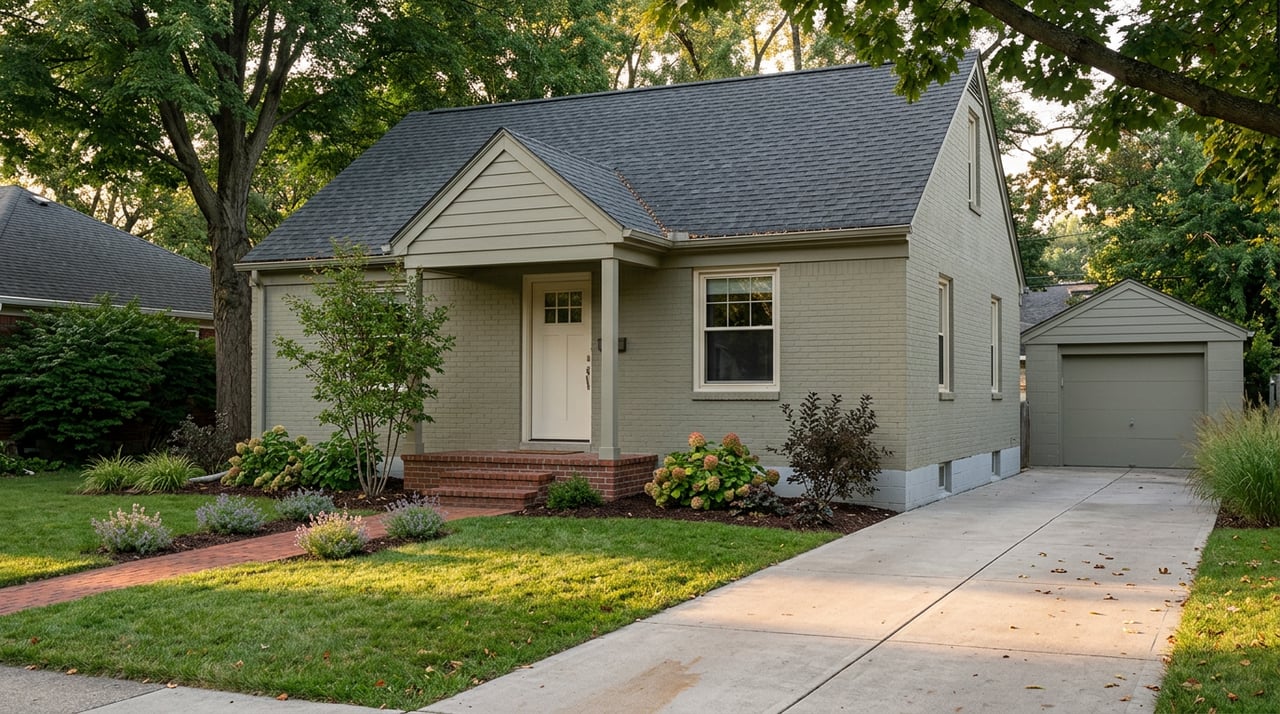
Another point many buyers miss is that in-town housing is not only older homes. The city’s planning materials note significant higher-density residential redevelopment downtown over the last decade. That means you may find a mix of older houses, remodeled properties, infill homes, and newer housing types in the same general area.
Subdivision Living: What It Feels Like
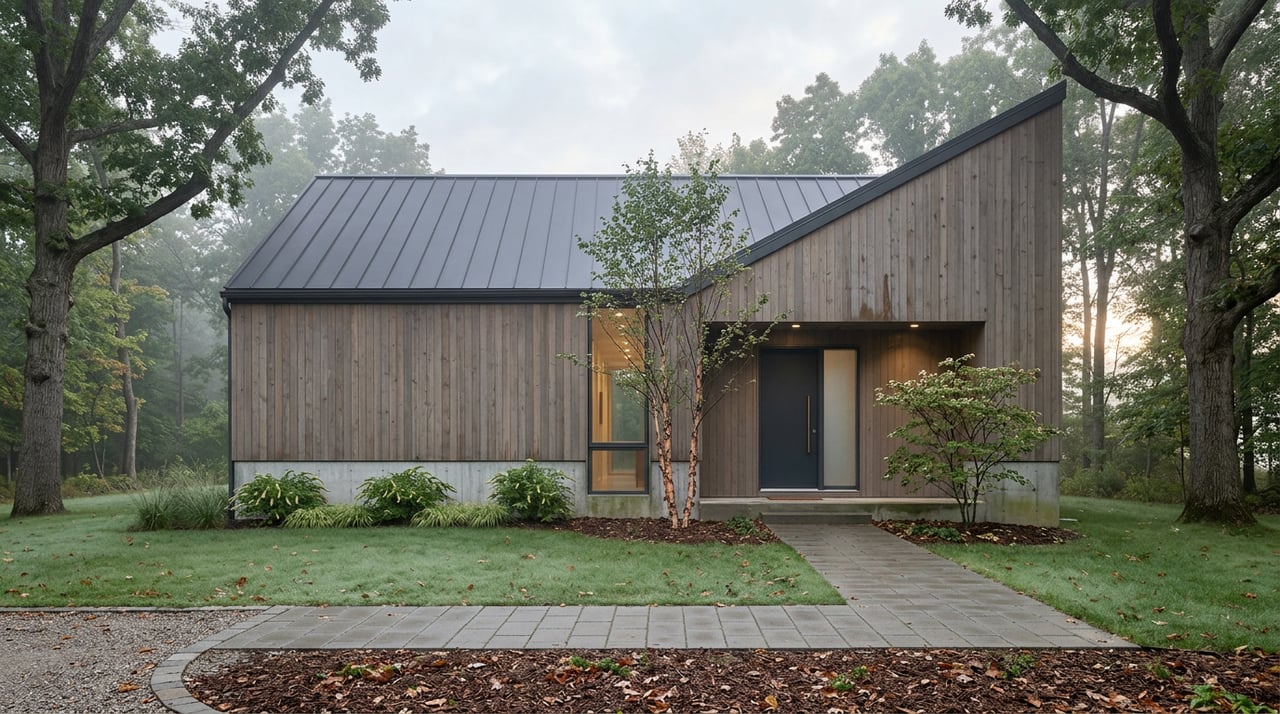
Subdivision and township living usually offers a different rhythm. Instead of being centered around a compact downtown, these areas are designed around lower density, larger lots, and more distance between homes. For many buyers, that means more yard space, more separation, and a quieter residential pattern.
Dexter Township zoning helps show that larger-lot design. Residential districts include half-acre lake residential lots, 2-acre rural residential lots, and 1- to 5-acre agricultural lots, with 150-foot widths in several districts. Not every home outside town sits on acreage, but the overall pattern clearly leans toward more land and more spread between properties.
This setting often appeals to buyers who prioritize outdoor space and privacy over walkable access to shops and dining. You may do more driving for errands and recreation, but in return, you may get a more conventional yard-oriented neighborhood feel.
Compare Lot Sizes and Home Styles
Lot size is often one of the first things you notice when touring both areas. In Dexter’s downtown site type, lots can be as narrow as 20 feet, and lots in the original Village plat are typically 49.5, 66, or 99 feet wide. Even in the city’s standard residential districts, lot requirements remain fairly compact by suburban standards.
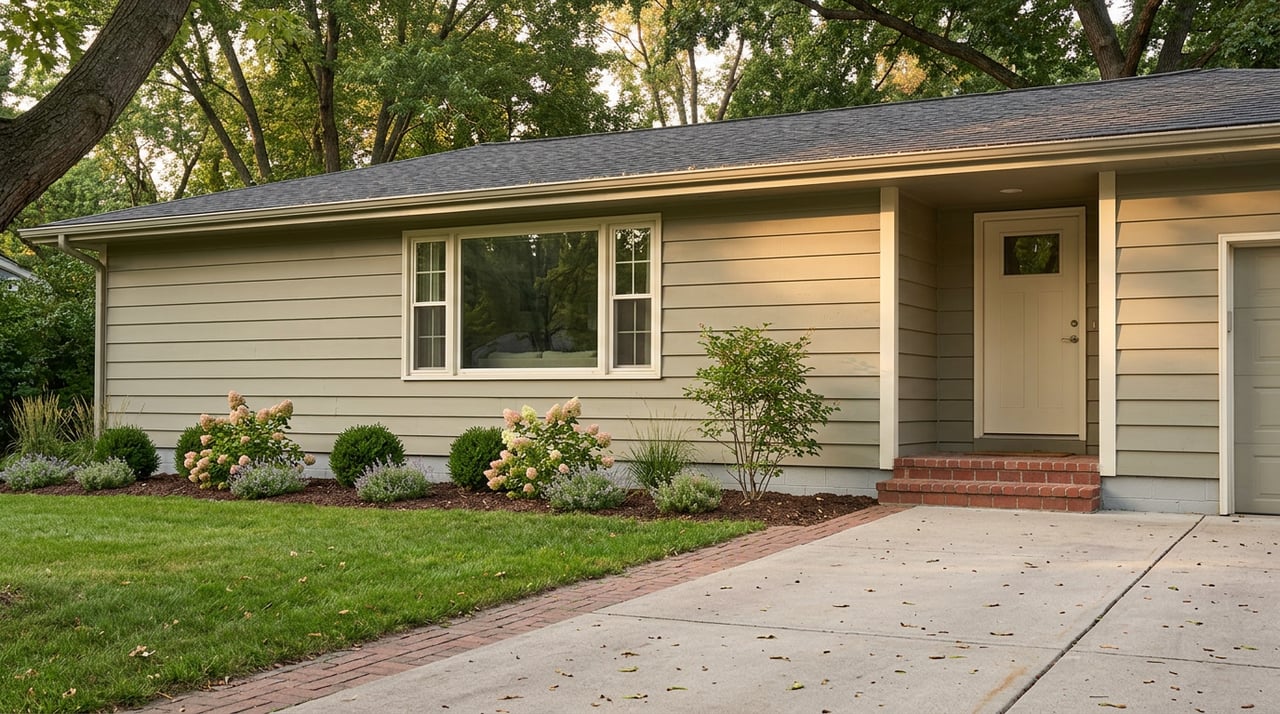
For example, the city’s R-1A district requires 12,000 square feet and 75 feet of width, while R-1B and VR allow 7,800 square feet and 60 feet of width. These standards support a closer-knit residential layout. In practical terms, that often means less land to maintain and homes that sit closer to one another.
Subdivision areas outside the city usually look different. Larger lot standards and wider spacing often create a more uniform suburban or semi-rural feel. If you want more room for gardening, outdoor entertaining, or simply more distance from neighbors, those areas may better match your goals.
Think About Daily Convenience
Lifestyle often matters just as much as square footage. In-town Dexter is designed to function as a compact district with mixed-use redevelopment, public access, historic character, and a variety of residential price points. That setup can make daily life feel simpler if you enjoy being near dining and activity.
Subdivision living tends to trade convenience for space. Because homes are spread out farther from downtown, you will usually drive more for errands, restaurants, and social plans. For some buyers, that is no problem at all. For others, it becomes a bigger factor over time than they expected.
A helpful question to ask yourself is this: Do you want your home to feel connected to a town center, or set apart from it? Your answer often points you in the right direction quickly.
Factor In Commute Patterns
Dexter is roughly 7 to 8 miles northwest of Ann Arbor, and local planning documents identify Dexter-Ann Arbor Road, Baker Road, I-94, and M-14 as key access routes. That location is part of Dexter’s appeal for people who want small-town living while staying connected to larger job and service hubs.
Even so, both in-town and township living remain heavily car-dependent. In Dexter city, 67% of workers drive alone, 27% work from home, 3% walk, and 0% use public transit. In Dexter Township, 68% drive alone, 26% work from home, 3% walk, and 0% use public transit.
The mean commute is shorter in Dexter city at 23.6 minutes, compared with 30.3 minutes in Dexter Township. That does not mean every in-town buyer will have a shorter commute, but it does suggest that living closer to the core may reduce travel time on average. If your schedule is busy, that extra time can matter.
Budget Is More Than Price
Many buyers assume subdivision living is always the less expensive option, but the data in Dexter suggests the picture is more nuanced. The median value of an owner-occupied home is $421,000 in Dexter city and $466,300 in Dexter Township. That indicates the township leans more expensive on average.
Still, price alone does not tell the whole story. In-town buyers may be paying for location, convenience, and walkability. Township or subdivision buyers are often paying for more land and a more conventional low-density residential environment.
When you compare homes, try to look beyond the list price. Ask what you are really buying: a shorter drive, a larger yard, easier access to downtown, or a little more separation and privacy.
Questions to Ask Yourself
If you are still deciding, these questions can help narrow it down:
- Do you want to walk to dining or local gathering spots?
- Would you rather have a smaller lot with more convenience?
- Do you prefer a more uniform neighborhood feel?
- Is privacy and outdoor space a top priority?
- How much driving are you comfortable doing each week?
- Would a shorter average commute improve your routine?
Your answers can reveal which trade-offs matter most to you.
A Simple Way to Decide
A practical way to frame the choice is this: choose in-town Dexter if walkability, historic character, and closeness to downtown matter most. Choose a subdivision or township setting if larger lots, more privacy, and a more car-based residential pattern matter most.
Neither option is better for everyone. The right fit depends on how you want your mornings, evenings, weekends, and commute to feel. When you focus on lifestyle first, the housing choice usually becomes much clearer.
If you want help comparing neighborhoods, home styles, and day-to-day fit in Dexter and across Washtenaw County, Charles by Reinhart can help you sort through the options and move forward with confidence.
FAQs
Will you still need a car in in-town Dexter?
- Probably yes. Commute data shows most workers drive, public transit use is 0%, and even the walkable core remains largely car-oriented.
Is downtown Dexter actually walkable for daily outings?
- Yes. Official downtown materials describe wide sidewalks, on-street parking, and a cluster of restaurants and bars around Main Street.
Are lots bigger outside Dexter city?
- Yes. Dexter Township zoning includes half-acre, 2-acre, and 1- to 5-acre residential districts, which supports a larger-lot development pattern.
Is in-town Dexter only older housing?
- No. City planning materials note recent higher-density residential redevelopment downtown, so in-town options can include older homes, remodels, infill, and newer housing types.
Is subdivision living in Dexter usually more private?
- In many cases, yes. Larger lot standards and lower-density planning outside the city generally create more separation between homes.
Does in-town Dexter usually mean a shorter commute?
- On average, Dexter city has a shorter mean commute than Dexter Township, 23.6 minutes versus 30.3 minutes, though your actual commute will depend on your destination.