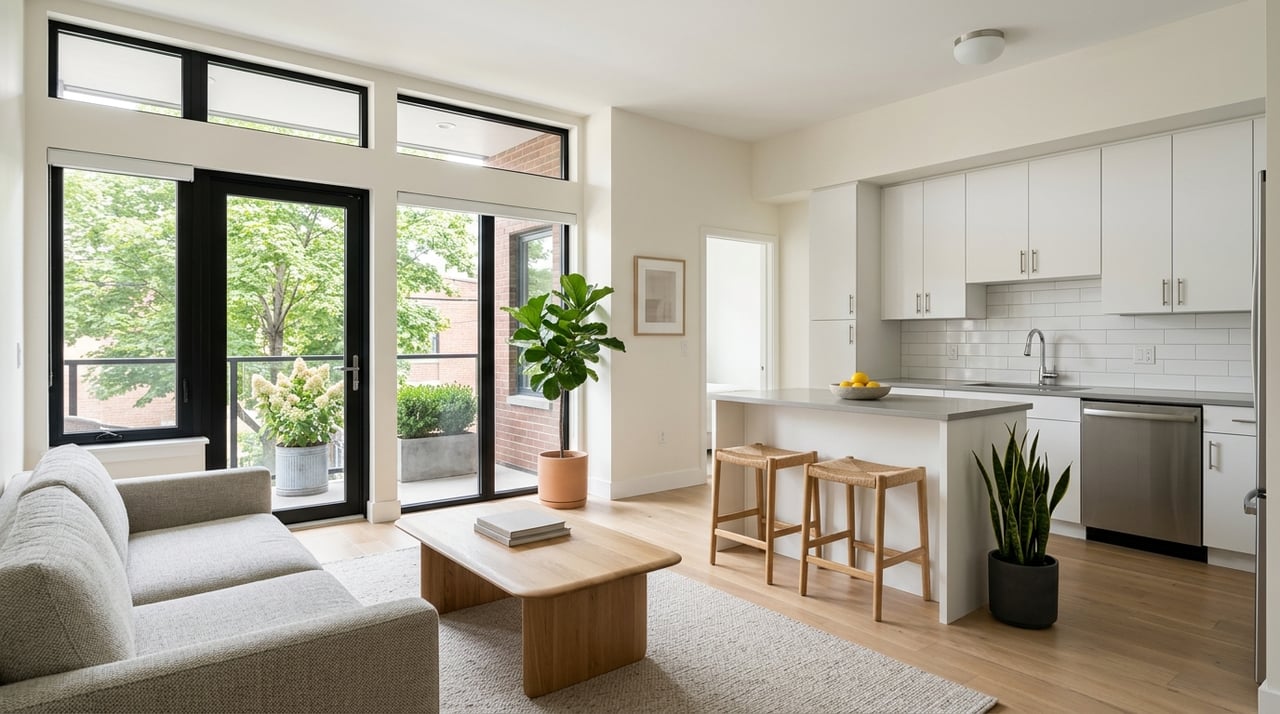
If your Ann Arbor condo is about to hit the market, great photos and a clean kitchen are only part of the story. Condo buyers here are often comparing not just finishes and square footage, but also building details, association documents, parking, and how the property fits into a downtown or campus-adjacent lifestyle. With more condo inventory on the market and buyers taking time to compare options, thoughtful preparation can help your listing stand out from day one. Let’s dive in.
Why condo prep matters in Ann Arbor
Ann Arbor condos do not always compete the same way single-family homes do. In the March 2026 Ann Arbor Area Chapter market statistics, condo inventory rose to 274 homes, months supply reached 4.0, and condos averaged 50 days on market. The median condo sales price was $310,000, and the average percent of list price received was 98.9%.
That mix tells you something important. Buyers still pay close to asking when a condo is priced and presented well, but they also have more choices than in a tighter market. If your unit looks similar on paper to several others, presentation and preparation can shape whether buyers book a showing quickly or move on.
Focus on Ann Arbor’s condo lifestyle story
Downtown and campus-adjacent condos are a distinct segment of the Ann Arbor market. The city describes the Downtown Development Authority district as a core area shaped around walkability and vitality, and the downtown study area includes the area within a quarter mile of the DDA boundary. The DDA district also includes University of Michigan Central Campus.
For you as a seller, that means your condo is not just a box with bedrooms and baths. It is part of a location-driven lifestyle decision. Buyers may be weighing proximity to downtown streets, campus destinations, bike routes, sidewalks, and parking access just as much as they are weighing countertops or flooring.
Prepare the unit first
The most effective pre-listing tasks are often the simplest. Research on home staging shows that decluttering and whole-home cleaning are among the most commonly recommended improvements, along with paint touch-ups, minor repairs, carpet cleaning, and depersonalizing.
For a condo, those steps matter even more because compact spaces have to feel open and functional. Every crowded shelf, overstuffed closet, and busy countertop can make the home feel smaller in photos and in person. When buyers are comparing multiple condos online, clean visual space can give your unit an edge.
Start with decluttering
Go room by room and remove anything that distracts from the size, storage, or flow of the space. That usually means clearing kitchen counters, trimming down entryway items, simplifying bookshelves, and editing closet contents.
Try to keep only what helps define the room’s purpose. In a condo, buyers want to see that daily life works smoothly, even in a smaller footprint. Clear surfaces and organized storage help them picture that.
Deep clean every surface
A condo can show beautifully when it feels bright, fresh, and easy to maintain. Deep clean floors, windows, appliances, grout, bathroom fixtures, and baseboards. Pay extra attention to odors, pet traces, and dust around vents or window ledges.
Because buyers often connect cleanliness with overall care, this step does more than improve appearance. It supports confidence in the home.
Make the small repairs
Minor issues can pull attention away from your condo’s strengths. Touch up chipped paint, tighten loose hardware, replace burned-out bulbs, fix sticking doors, and address any obvious caulk or grout wear.
These are not glamorous updates, but they help your condo feel move-in ready. In a market where buyers have options, fewer visible flaws can lead to a stronger first impression.
Stage the rooms that matter most
Not every room carries the same weight. According to the 2025 Profile of Home Staging, the living room was the most important room to stage for buyers, followed by the primary bedroom and the kitchen.
That is useful news if you want to spend your time and budget wisely. In most Ann Arbor condos, those three spaces shape the online first impression and the emotional reaction during showings.
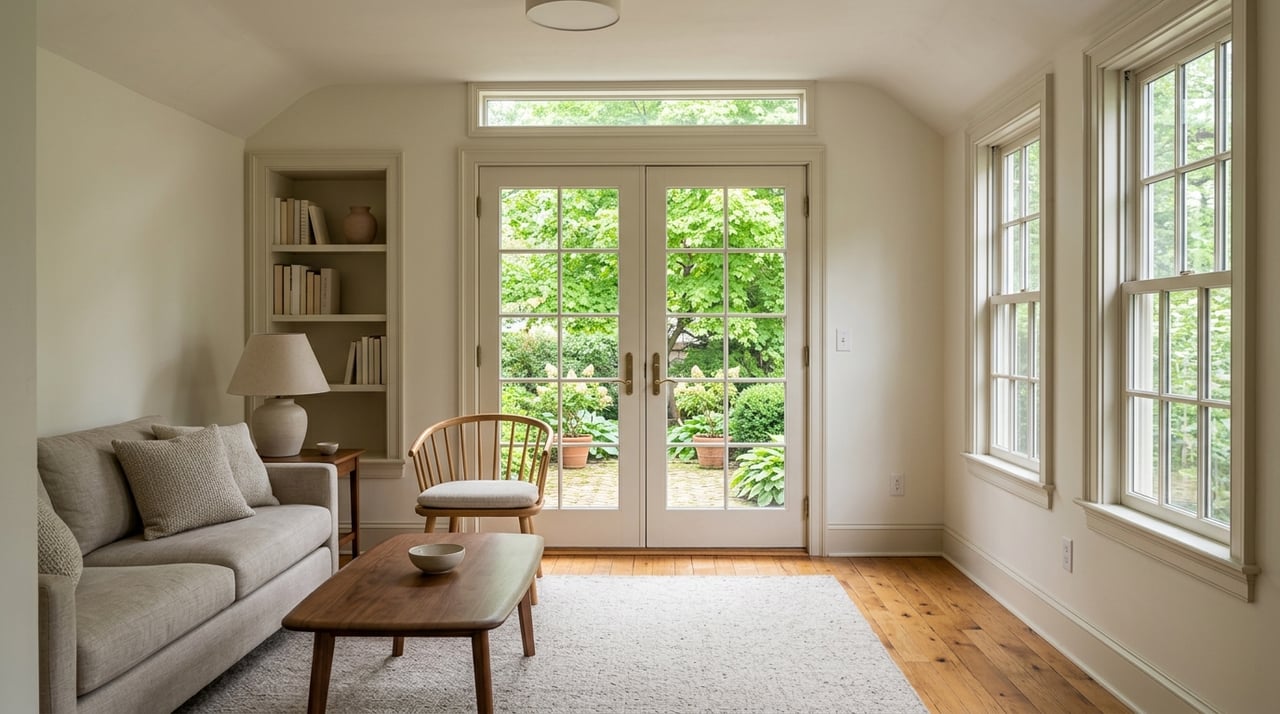
Make the living room feel open
Your living room should show clear pathways, comfortable scale, and a sense of ease. Remove excess furniture, use simple decor, and keep the layout focused on conversation and function.
If your condo has large windows, a balcony, or city views, make those features easy to notice. The goal is to help buyers feel the lifestyle of the space, not just the dimensions.
Keep the primary bedroom calm
The primary bedroom should feel restful and uncluttered. Neutral bedding, simple nightstands, and minimal personal items usually work best.
A crowded bedroom can make storage feel limited. A clean, edited setup helps buyers focus on space, light, and layout.
Let the kitchen read as efficient
Condo kitchens do not need to be huge to impress buyers. They need to feel clean, practical, and well organized.
Clear counters almost completely, hide small appliances when possible, and make sure cabinet fronts, backsplash areas, and sink fixtures sparkle. If the kitchen opens to the main living area, its visual impact becomes even more important.
Market the building, not just the unit
This is where condo sales differ from many single-family listings. Buyers are also evaluating the building and the condominium association, not just your individual unit.
Michigan’s Condominium Buyer’s Handbook explains that condo ownership often includes shared ownership or use of common elements such as hallways, lobbies, building exteriors, recreation facilities, and major systems. It also notes that associations are responsible for maintaining general common elements and must maintain a reserve fund for major repairs and replacement of common elements, with a minimum reserve amount of 10% of the annual budget on a non-cumulative basis.
That means buyers may look closely at the broader building picture before they feel comfortable making an offer. If your listing only highlights quartz counters and updated flooring, you may leave important buyer questions unanswered.
Gather association documents early
The handbook says the association must keep books and records detailing expenditures and receipts and make current copies of the master deed, amendments, and other condominium documents available to prospective purchasers and mortgagees.
Before listing, it helps to have the key information ready in an organized way. That may include:
- Monthly association fee
- What the fee covers
- Current condominium documents
- Parking arrangements
- Rules that affect day-to-day use
- Basic building maintenance or reserve information available through the association
When buyers can understand the association side of ownership early, your sale may feel more straightforward and transparent.
Show shared spaces clearly
If your building offers attractive common areas, those spaces should be part of the marketing story. Hallways, entry areas, exterior presentation, parking access, and any shared amenities help buyers understand the full ownership experience.
This matters in Ann Arbor, where lifestyle and convenience often drive condo demand. A polished unit inside the building is strong. A polished unit plus a well-communicated building experience is stronger.
Highlight walkability, bike access, and parking
In downtown Ann Arbor and nearby areas, transportation details can influence buyer interest. The city notes that downtown traffic signals include pedestrian crossing intervals in each cycle, and city materials also point to downtown walkability improvements, sidewalks data, and protected bikeways as part of the local infrastructure picture.
That means buyers may care about how easy it is to walk, bike, or access destinations from your condo. Be specific about the practical details your agent can feature in the listing, especially if your unit is near downtown or campus activity.
Parking is also worth clear explanation. The city says downtown parking is managed by the DDA, and public meters are enforced Monday through Saturday from 8 a.m. to 6 p.m. If your condo includes deeded parking, assigned parking, garage access, guest options, or easy proximity to public parking, that information should be easy for buyers to understand.
Do not miss Ann Arbor’s HERD requirement
For condo sellers within Ann Arbor city limits, pre-listing prep is not only about cleaning and staging. The city’s Home Energy Rating Disclosure ordinance requires a Home Energy Score assessment before a home is publicly listed for sale, and the city says the score and report must be published in at least one real estate listing.
The city also says it offers a free Home Energy Score assessment for residents. If you wait until the last minute on this step, you can slow down your launch timeline. It is smart to treat this as part of your listing checklist from the start.
A practical condo prep checklist
If you want a simple way to organize your next steps, focus on this sequence:
- Declutter every room, closet, and storage area.
- Deep clean the full unit.
- Handle minor cosmetic repairs.
- Stage the living room, primary bedroom, and kitchen first.
- Gather condo association documents and fee details.
- Confirm parking information and any shared amenity details.
- Schedule the Home Energy Score assessment if required.
- Prepare for strong photography that captures both the unit and the building context.
This approach fits how condo buyers actually shop. They want a home that looks good, feels easy to live in, and comes with clear information.
The goal is confidence
A standout condo sale in Ann Arbor usually comes down to more than style alone. Buyers want to see a well-prepared interior, but they also want confidence in the building, the association, and the daily logistics of living there.
That is why condo prep is part design project and part documentation project. When you combine clean presentation, thoughtful staging, clear building details, and local compliance steps, you give buyers fewer reasons to hesitate and more reasons to act.
If you are thinking about selling your condo in Ann Arbor, Charles by Reinhart can help you create a smart prep plan, position your home for the local market, and launch with the kind of polished strategy that helps your listing stand out.
FAQs
What should Ann Arbor condo sellers do before listing?
- Start with decluttering, deep cleaning, minor repairs, staging the key rooms, and gathering association documents, parking details, and any required Home Energy Score information.
Why do condo buyers in Ann Arbor care about HOA documents?
- Condo buyers are evaluating both the unit and the building, so association fees, rules, maintenance records, and condominium documents can affect how informed and comfortable they feel.
Which rooms matter most when staging an Ann Arbor condo?
- The living room, primary bedroom, and kitchen usually deserve the most attention because staging research shows those rooms have the strongest impact on buyers.
Do Ann Arbor condo sellers need a Home Energy Score before listing?
- If the condo is within Ann Arbor city limits, the city says a Home Energy Score assessment is required before the home is publicly listed for sale, and the score and report must appear in at least one real estate listing.
What condo features should sellers highlight in downtown Ann Arbor?
- Clear details about walkability, bike access, parking type, guest parking, shared amenities, and building access can help buyers understand the full lifestyle and ownership experience.