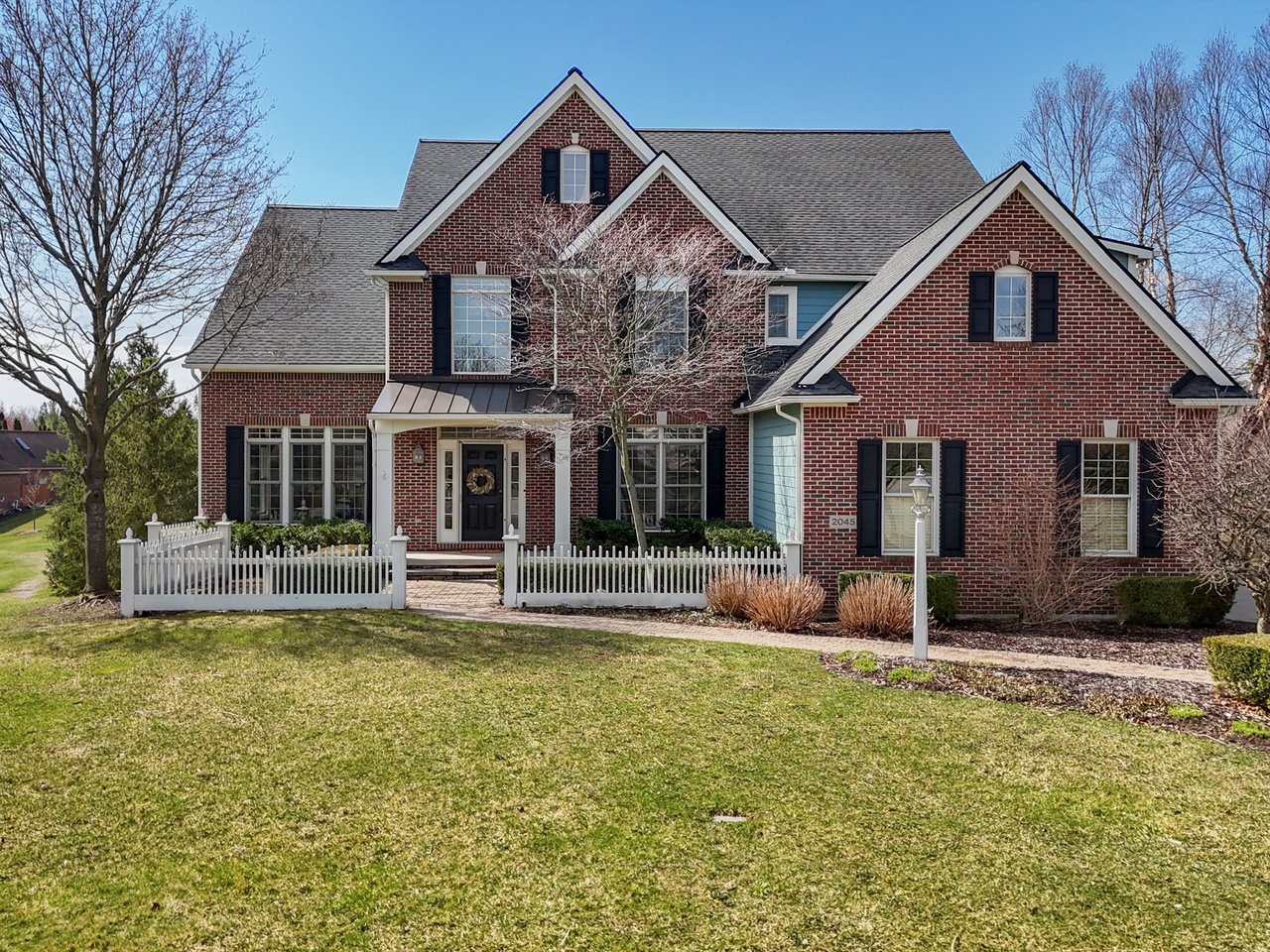
What kind of home fits you best in Saline? If you are picturing a front porch steps from Main Street, a classic subdivision with sidewalks, or a newer build on a larger lot, you will find it here. Each area offers a different lifestyle, budget range, and set of ownership considerations. In this guide, you will learn how Saline’s housing breaks down, what to expect inside each option, and the smart checks to make before you buy. Let’s dive in.
The big picture in Saline housing
Saline blends a compact, walkable downtown with a proud historic identity. Local organizations highlight Main Street as a hub for events and small businesses, and they prioritize preserving the area’s character. You can get a feel for downtown’s vibe on the Saline Main Street site, which showcases its walkability and architecture. Visit the overview on Saline Main Street.
Historic preservation also runs deep. The Saline area includes properties and districts recognized for their architecture and history, and local efforts have documented and protected many structures over time. Learn more from the Saline Area Historical Society’s resources on local preservation and historic listings and the National Park Service’s Michigan listings overview.
Beyond downtown, Saline has established subdivisions from the mid-century era onward and newer developments on the city’s edges. Recent projects include both small in-town infill builds and larger-lot site condos a short drive from Main Street. That variety means you can usually match your lifestyle priorities to a specific pocket of Saline.
Historic in-town homes
What you will find
If you want porch culture and architectural detail, start near downtown and adjacent streets. Many homes here date to the 19th and early 20th centuries. You will see styles like Italianate, Queen Anne, Colonial Revival, Gothic Revival, and Stick or Eastlake. As an example of the era’s craftsmanship, explore the Zalmon Church House entry for design context.
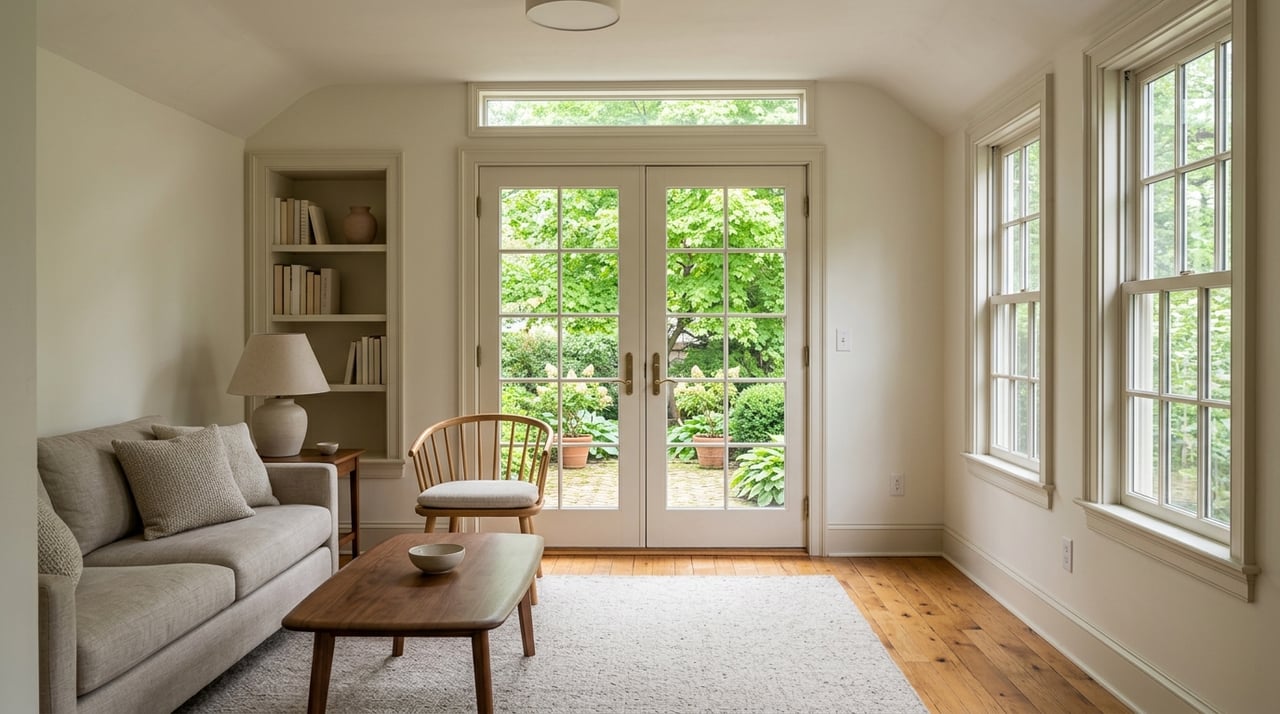
Typical features include compact lots with mature trees, tall ceilings, original hardwood floors, plaster walls, and detailed millwork. Many homes retain period window types and front porches that frame street life. Mechanical systems are often a mix of original elements and later updates, so you should expect variety from one house to the next.
Why buyers choose them
- You value walkability, downtown access, and Main Street life.
- You love distinctive architecture and period details.
- You are open to projects or careful stewardship to preserve character.
What to check before you buy
- Historic district rules. Some exterior changes in designated local districts require review under Michigan’s Local Historic Districts Act. Confirm a home’s status, permit history, and what work needs approval. Read the statute summary on the Michigan Local Historic Districts Act and consult local resources via the Saline Area Historical Society.
- Lead-based paint. Homes built before 1978 commonly contain lead paint. If your plans include painting or renovation, learn about EPA lead-safe practices and consider testing. See the EPA’s guidance on lead poisoning prevention and safe work practices.
- Electrical systems. Older wiring such as knob and tube or outdated panels can raise insurance or lending questions. A licensed electrician should evaluate the system. Review this overview of old wiring considerations.
- Foundation and moisture. Older basements may show dampness or past repairs. Look closely at grading, gutters, and any waterproofing records.
Established subdivisions
What you will find
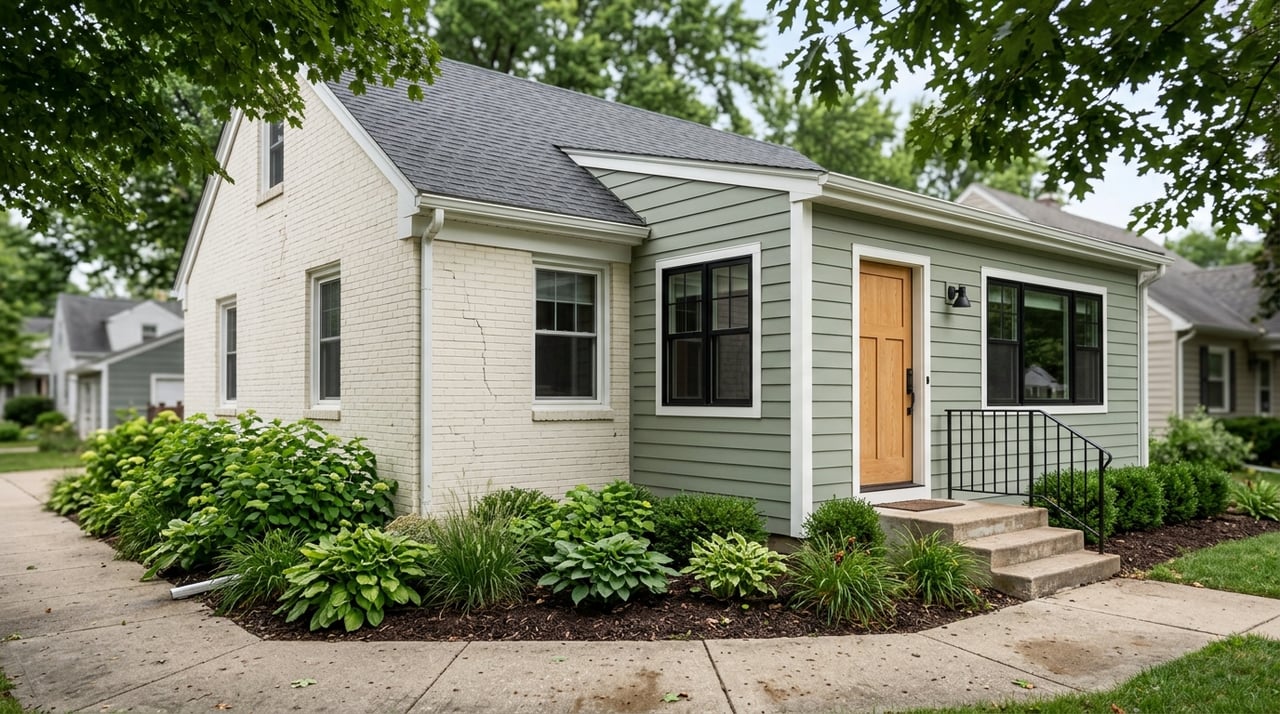
As Saline grew, it added planned neighborhoods with a mix of ranches, split-levels, colonials, and two-story homes. Lots are usually larger than downtown but smaller than acreage, commonly around 0.15 to 0.35 acres depending on the subdivision. Streets often include sidewalks, cul-de-sacs, and some shared open space.
Homes tend to have more open floor plans than in-town houses, with central HVAC and attached garages. Many are 20 to 40-plus years old, so systems like roofs, furnaces, water heaters, and windows may be at or past mid-life depending on prior updates.
Why buyers choose them
- You want a move-in ready feel with a familiar neighborhood layout.
- You prefer sidewalks and a defined community street grid.
- You like a balance between yard space and easy maintenance.
Key questions to ask
- HOA and rules. Some subdivisions have an HOA. Verify dues, amenities, and any covenants. Ask for CC&Rs and recent budgets early.
- System ages. Ask sellers for service records for the roof, HVAC, and windows. Replacement cycles can impact your first 5 to 10 years of ownership.
- Drainage. Review grading, sump pump setup, and stormwater flow around the home.
Newer developments and larger-lot site condos
What you will find
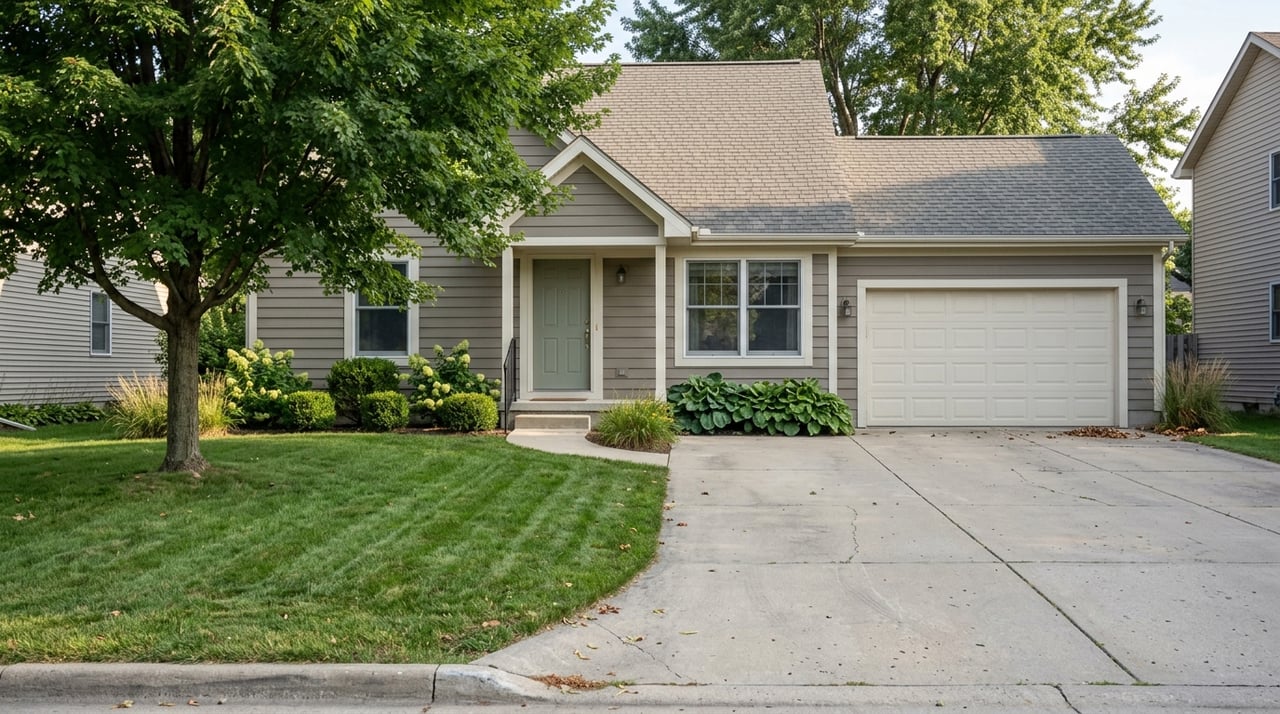
On Saline’s edges and in nearby township areas, you will find newer homes and site-condominium communities with modern layouts, taller ceilings, and energy-conscious features. Lots often range from about 0.3 to 0.65 acres, with some phases at 1 acre or more. Many plans include full basements and 3-car garages.
Utilities and jurisdiction can vary on the edge of municipal boundaries. Some properties use public water and sewer, while others may have a private well, septic system, or a mix. Taxes can differ by city versus township. Verify all of this for a specific address during due diligence.
Why buyers choose them
- You want a newer build with fewer immediate updates.
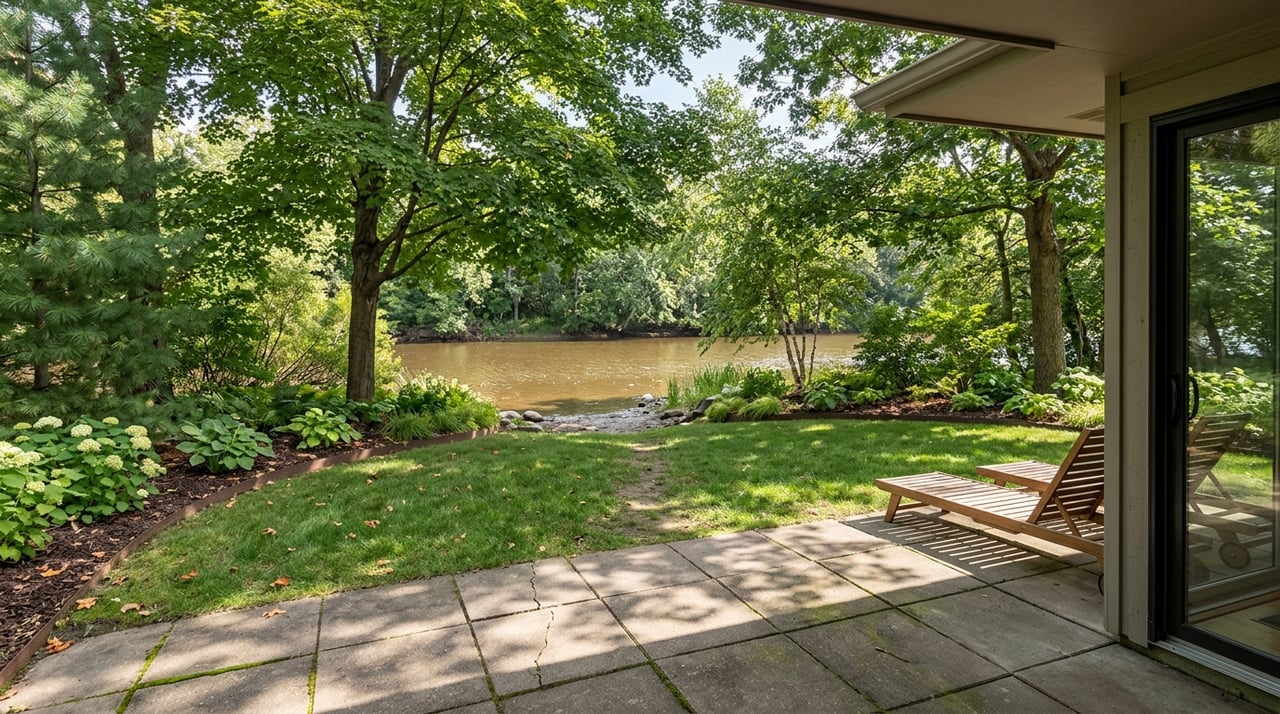
- You prefer more privacy or a larger yard.
- You value modern layouts and builder-warranty coverage.
Buyer checks that matter
- Utility source. Confirm if the lot uses public water and sewer or private well and septic. Request recent test results and service records if a well or septic is present.
- Jurisdiction and roads. Verify whether the address is in the city or a township, which affects taxes and services. For site condos, confirm who maintains private roads and common areas.
- Site costs. Budget for driveway paving, lawn and tree care, and stormwater management on larger parcels.
- Warranty scope. Review what the builder warranty covers, for how long, and how claims are handled.
Ownership costs to factor in
Municipal water and sewer rates in Saline have been adjusted in recent years to fund infrastructure upgrades. It is smart to build current utility rates into your long-term budget and verify the latest schedules with the city. Read recent reporting on water and sewer rate changes.
If you are eyeing a larger lot, add line items for mowing, tree care, and potential drainage improvements over time. For older homes, plan for periodic system upgrades, and for historic properties, include potential costs for specialty contractors and materials that meet local preservation standards.
Match your wish list to the right part of Saline
Downtown charm and walkability
Choose the historic core if you want porch culture, character, and quick access to restaurants and events. Expect smaller yards and older systems, and confirm whether exterior work may require local review. To explore the downtown experience, browse Saline Main Street’s overview.
Neighborhood living with convenience
Established subdivisions can offer move-in ready homes, sidewalks, and a neighborhood feel. You trade some historic detail for newer construction, often with attached garages and simpler mechanical upkeep. Run the numbers on upcoming roof or HVAC replacements and review any HOA rules.
Space and privacy on the edge
Newer developments and larger-lot site condos fit if you want a more modern home with elbow room. Be ready to verify utilities, consider private well or septic care, and budget for lawn and tree maintenance. Commutes to downtown are a short drive rather than a walk.
Your next steps
- Check active and recent comparable sales for your target street or subdivision to confirm budget and timing.
- Confirm whether a property is in a local historic district and review any preservation guidance or archives. Start with the Saline Area Historical Society’s local history and preservation page.
- If the home predates 1978, learn about lead-safe practices and consider testing. See the EPA’s lead prevention guidance.
- For older electrical systems, plan an electrician’s review. Get context on older wiring considerations.
- Verify the property’s utility setup and factor in current water and sewer rates. Review recent rate news for Saline.
Ready to find the right fit in Saline? Let’s map your wish list to the streets and subdivisions that match your lifestyle and budget, then move fast when a good option appears. Schedule a Consultation with Charles by Reinhart to get a tailored plan, on-demand showings, and data-backed guidance from a local team.
FAQs
What defines a historic in-town home in Saline?
- Most sit near downtown, often on smaller, walkable lots, with period architecture like Italianate or Queen Anne, original wood floors and millwork, and a front porch culture. Explore downtown context on Saline Main Street and see an example style in the Zalmon Church House.
Are there rules for exterior changes to historic homes?
- Yes, if a home is in a designated local historic district, exterior work may require review under Michigan’s Local Historic Districts Act. Verify the property’s status and review local guidance via the Saline Area Historical Society and the state statute.
What inspections should I prioritize for older homes?
- Lead testing and EPA lead-safe work planning for pre-1978 homes, a licensed electrician’s evaluation for older wiring, and a careful look at foundations and moisture. See EPA lead guidance and this old wiring overview.
How big are lots in Saline subdivisions and new developments?
- Many established subdivisions run about 0.15 to 0.35 acres, while newer communities on the edges often range from roughly 0.3 to 1.0 acres or more, depending on the phase and location.
Are Saline water and sewer costs changing?
- Recent reporting notes rate adjustments linked to infrastructure upgrades. It is smart to confirm the latest schedules with the city and include utilities in your ownership budget. See local coverage of rate changes.