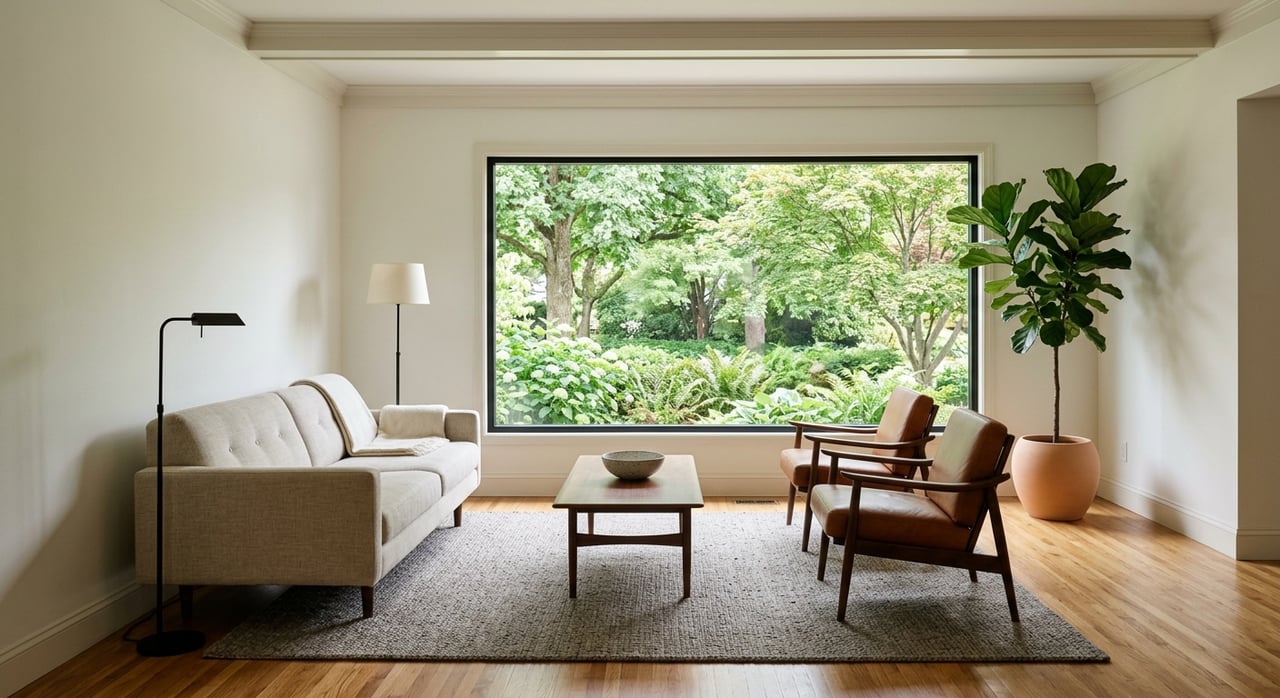
Wondering whether staging is really worth the effort before you list your Saline home? In a market where buyers still have options, presentation can shape how quickly your home gets attention and how confidently buyers make offers. The good news is that staging does not have to mean a full redesign or expensive updates. With the right plan, you can highlight your home's best features, improve photos, and help serious buyers picture themselves living there. Let’s dive in.
Why staging matters in Saline
Saline is a somewhat competitive market, but it is not one where every listing sells instantly regardless of condition. In February 2026, Redfin reported a median sale price of $405,600, an average of 44 days on market, and 36.4% of homes selling above list price. At the same time, Zillow’s February 2026 snapshot referenced by Redfin showed 41 homes for sale, which tells you buyers still have choices.
That is where staging can make a difference. In the National Association of Realtors 2025 staging report, 49% of sellers’ agents said staged homes sold faster, and 29% said staged homes received 1% to 10% more in dollar value offered. Just as important, 83% of buyers’ agents said staging made it easier for buyers to visualize a property as a future home.
What Saline buyers seem to notice
Local trend data suggests buyers in Saline respond well to homes that feel bright, functional, and easy to maintain. According to Redfin’s local home-trend data, features tied to stronger sale-to-list ratios included sun rooms, corner lots, underground utilities, large great rooms, granite counters, energy-efficient features, security, and laminate floors.
That does not mean you need to renovate before listing. It does mean your staging should help buyers notice natural light, open flow, practical updates, and clean surfaces. The goal is to make your home feel move-in ready and easy to understand the moment someone sees the photos or walks through the front door.
Start with a simple staging strategy
For many sellers, the best return comes from smart preparation rather than formal full-home staging. The same NAR report found that many agents often skipped formal staging but still recommended decluttering and correcting property faults. That approach fits many Saline homes well.
A practical staging sequence usually looks like this:
- Declutter and depersonalize
- Deep clean the surfaces photos notice first
- Fix obvious repair issues
- Refresh curb appeal
- Focus on the rooms buyers care about most
If you follow that order, you can make meaningful progress without wasting time or money on lower-impact details.
Declutter before you decorate
Before you think about accessories or furniture placement, remove distractions. The NAR consumer guide on preparing to sell recommends storing away clutter before showings, and the 2025 report says decluttering and cleaning are the most common recommendations from agents.
Start by packing away personal photos, extra countertop items, overstuffed shelves, and anything that makes a room feel busy. When buyers can clearly see the walls, windows, and floor space, rooms tend to feel larger and more useful. That matters even more in online photos, where clutter reads quickly.
Clean for both showings and photos
A home that is clean in person often looks better online too, but not every surface matters equally. The NAR consumer guide specifically calls out windows, carpets, lighting fixtures, and walls before listing. These are the details cameras pick up right away.
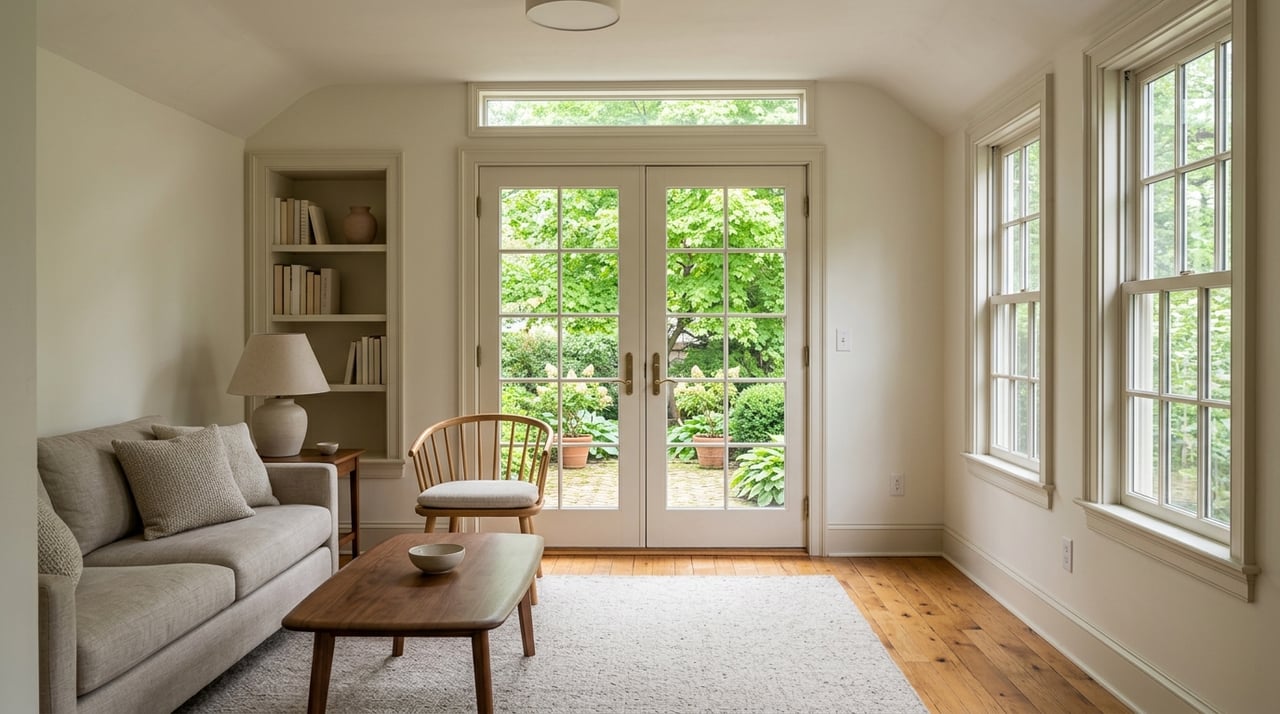
Clean windows help maximize daylight, which is especially important if your home has a sun room, large great room, or other light-filled spaces that buyers in Saline may value. Fresh walls and clean flooring also make rooms look better cared for. Even simple maintenance can give your listing a more polished, move-in-ready feel.
Fix the issues buyers will notice
Staging is not just about decor. If there are obvious repair concerns, buyers may focus on them instead of your home’s strengths. The NAR consumer guide advises sellers to understand the cost of major roof, HVAC, or appliance issues because buyers may factor those items into negotiations.
You do not need to overhaul everything before listing. But if there is a loose handrail, a stained ceiling patch, a broken light fixture, or an appliance issue that stands out, handling it early can help buyers stay focused on the space itself. Small fixes often support stronger first impressions than sellers expect.
Boost curb appeal first
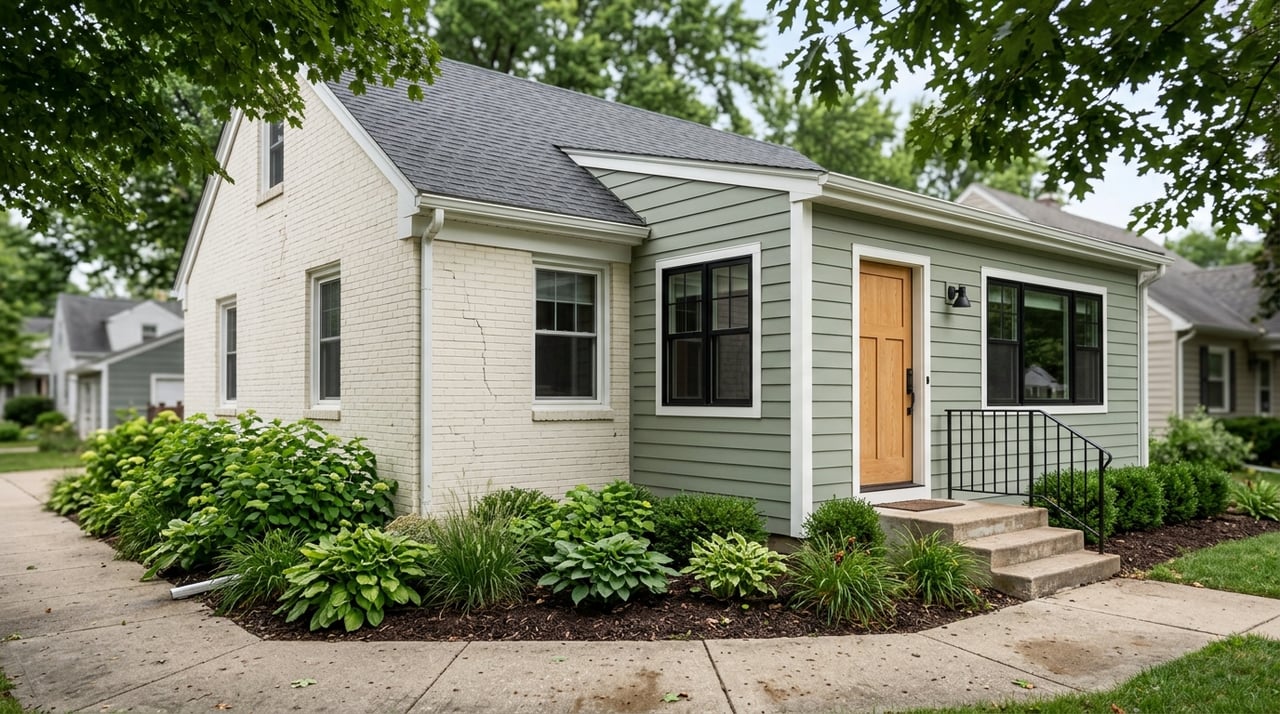
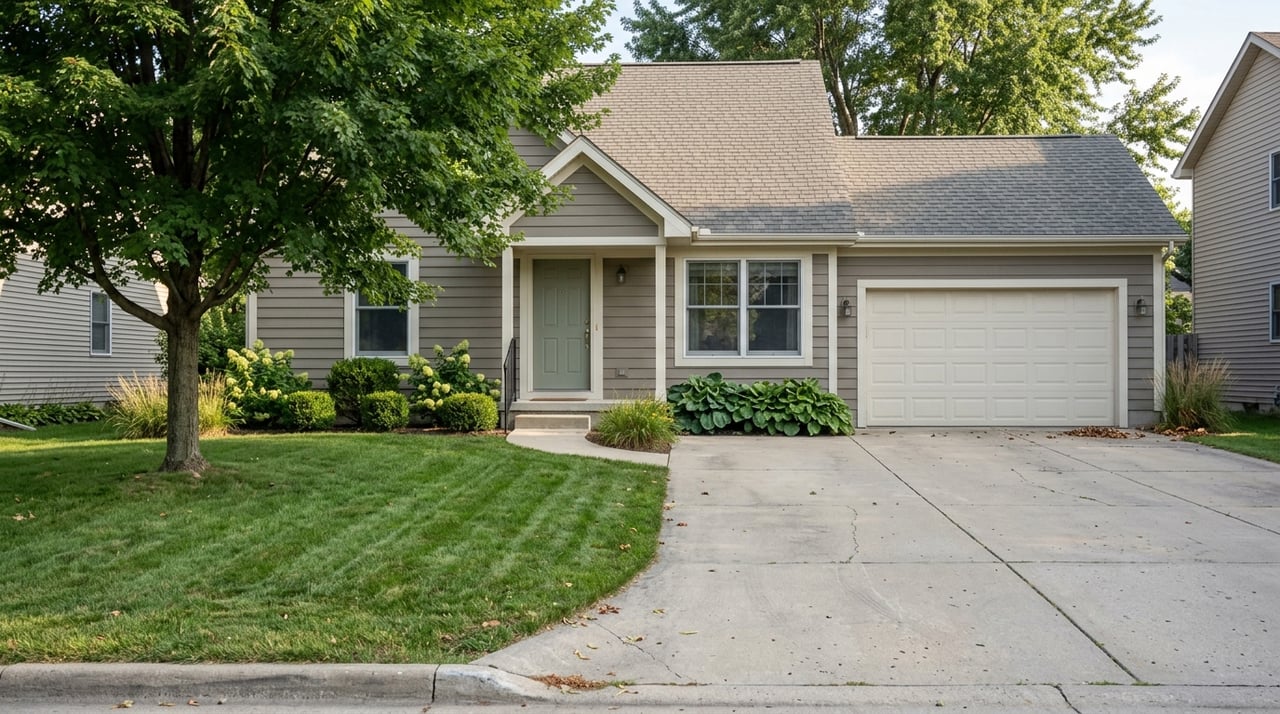
Your exterior sets the tone before buyers ever step inside. Landscaping, the front entrance, and exterior paint can all improve first impressions and listing photos, according to the NAR consumer guide.
In practical terms, that might mean trimming shrubs, clearing porch clutter, sweeping walkways, refreshing mulch, or repainting a worn front door. These updates do not need to be dramatic. They just need to signal that your home has been maintained and is ready for the market.
Focus on the rooms that matter most
Not every room carries the same weight. In the 2025 NAR staging report, the living room, primary bedroom, and kitchen ranked as the most important spaces, with the dining room also receiving attention. Guest bedrooms were generally a lower priority.
If you are working within a budget or a tight timeline, put your energy into those key areas first. A clean, open living room, a calm primary bedroom, and a kitchen with minimal clutter can do a lot to shape buyer perception. These are the spaces where buyers often imagine daily life most clearly.
Stage for photos, not just showings
Many buyers meet your home online before they ever book a showing. The NAR 2025 report found that listing photos are highly important to buyers’ agents, while videos and virtual tours also play a meaningful role in attracting interest.
That means staging should support the camera as much as the in-person experience. Open blinds if the view and light are appealing, remove small items from counters and nightstands, and make sure furniture placement creates clear walkways. If a room feels crowded in person, it will often look even smaller in photos.
Staging ideas by Saline home style
Saline has a mix of older character homes, smaller traditional houses, and newer subdivision properties. The best staging plan depends on the kind of home you are selling.
Historic homes downtown
Saline’s South Ann Arbor Street Historic District includes styles such as Queen Anne, Folk Victorian, Gothic Revival, Dutch Colonial Revival, Italianate, American Foursquare, Craftsman, Cape Cod, and Minimal Traditional. If your home has original millwork, a prominent staircase, detailed windows, or a welcoming porch, let those elements lead.
Use furniture that fits the scale of the room and keep accessories restrained. Neutral bedding, simple rugs, and a lighter touch can help buyers appreciate the architecture instead of feeling distracted by the decor. In many historic homes, character is one of the biggest selling points.
Smaller homes from the 1930s to 1950s
The same historic district style inventory includes Cape Cod and Minimal Traditional homes from the 1930s through early 1950s. In these homes, the goal is usually to make compact rooms feel open and bright.
Use fewer furniture pieces, lighter window treatments, and crisp bed and bath styling. Avoid bulky decor that blocks sight lines. When smaller rooms are staged simply, buyers often understand the layout more easily and respond better to the photos.
Newer homes with open layouts
For newer subdivision homes, lean into what local buyers appear to notice. Based on Redfin’s Saline trend data, large great rooms, sun rooms, granite counters, energy-efficient features, and security-related features have been associated with stronger sale-to-list ratios.
Your staging should emphasize flow, daylight, and a clean finish. Keep kitchen counters mostly clear, arrange furniture to show off the great room’s size, and make any sun room or flex room feel purposeful. Buyers tend to respond well when these spaces feel easy to use from day one.
Do you need professional staging?
Not always. Some homes benefit from full or partial professional staging, while others simply need strong guidance, decluttering, furniture edits, and polished photography prep. The NAR 2025 report puts the median cost of a staging service at $1,500, compared with $500 when the sellers’ agent handled staging themselves.
That difference is a helpful reminder that staging can be scaled to your home and goals. Sometimes the best move is full-service help. Other times, a thoughtful room-by-room plan delivers what you need without overinvesting.
The real goal of staging
The strongest staging strategy in Saline is usually not a renovation-heavy one. It is a presentation plan that removes distractions, highlights the rooms buyers care about most, and creates listing photos that encourage showings. When your home looks clean, bright, and easy to picture living in, serious buyers are more likely to engage.
If you are preparing to sell, a tailored staging plan can help you focus your budget where it counts. The team at Charles by Reinhart combines local market insight with thoughtful presentation guidance to help sellers put their homes on the market with confidence.
FAQs
Is home staging worth it for a Saline home sale?
- Yes. According to the 2025 NAR staging report, many agents saw staged homes sell faster, and some saw higher dollar value offered, which can matter in a somewhat competitive market like Saline.
Which rooms should I stage first when selling a home in Saline?
- Start with the living room, primary bedroom, and kitchen, since NAR identified those as the most important rooms for staging.
Do I need professional staging to sell my Saline home?
- No. Many sellers get strong results by decluttering, cleaning, fixing visible issues, and focusing on high-impact rooms before listing.
What should I fix before listing a home in Saline?
- Prioritize obvious repair issues buyers may notice, especially major systems or visible defects that could affect first impressions or negotiations.
How important are listing photos when selling a home in Saline?
- Very important. NAR reports that listing photos are highly important in attracting buyer interest, so your staging should support both photography and in-person showings.