Starting residency or fellowship at Michigan Medicine, or moving to Ann Arbor for a new attending role? You likely have student loans, a tight timeline, and a start date that cannot slip. You want a smart path to homeownership without draining your savings. In this guide, you’ll learn how physician mortgages work, what to expect in Ann Arbor, and the steps to close on time with confidence. Let’s dive in.
Physician mortgages explained
Physician (or doctor) mortgages are bank-designed products created for medical professionals. They are not federal programs. Each lender sets its own rules, pricing, and eligibility. Many programs offer low or no down payment options, often without private mortgage insurance.
These loans exist because early-career physicians often have significant student debt but strong earning potential. Lenders structure terms to recognize that profile, including for residents and fellows with signed contracts.
How they differ from conventional loans
- Lower down payment options, sometimes 0% down.
- Often no PMI even with less than 20% down.
- Underwriting can accept future start dates with signed contracts.
- Debt-to-income calculations may treat student loans differently across lenders.
- Usually for primary residences only; rules for condos and new construction vary.
Who typically qualifies
- MD/DO and, with many lenders, DDS/DMD, DVM, and other clinical degrees.
- Residents and fellows with signed training contracts.
- New attendings with offer letters and clear start dates.
- Self-employed physicians can qualify but face more documentation.
Common features and tradeoffs
Benefits you may see
- Lower upfront cash due to reduced down payments.
- No PMI with certain lender programs.
- Contract-driven approvals that fit residency or new faculty timing.
Tradeoffs to consider
- Rates can be similar to or slightly higher than conventional loans.
- Cash reserve requirements are often higher.
- Property types can be limited; condos may require extra approval.
- Fees and underwriting rules vary; comparison shopping is essential.
Ann Arbor specifics for UM physicians
Hiring cycles and timing
Residents and fellows often start in July, with Match results and contracts available months earlier. Many faculty offers are made year-round with flexible start dates. If you want keys in hand by your start date, begin planning at least 60 to 90 days ahead. Starting 3 to 4 months out is even better during busy seasons.
Neighborhoods, property types, and commute
Ann Arbor offers single-family homes, townhomes, and condos across central and surrounding neighborhoods. If you are considering a condo, confirm early that your lender accepts the condo project and that the association meets their guidelines. If you need a fast close, ask lenders and your agent about realistic timelines and whether condo approval or jumbo underwriting could add days.
Taxes, assessments, and insurance
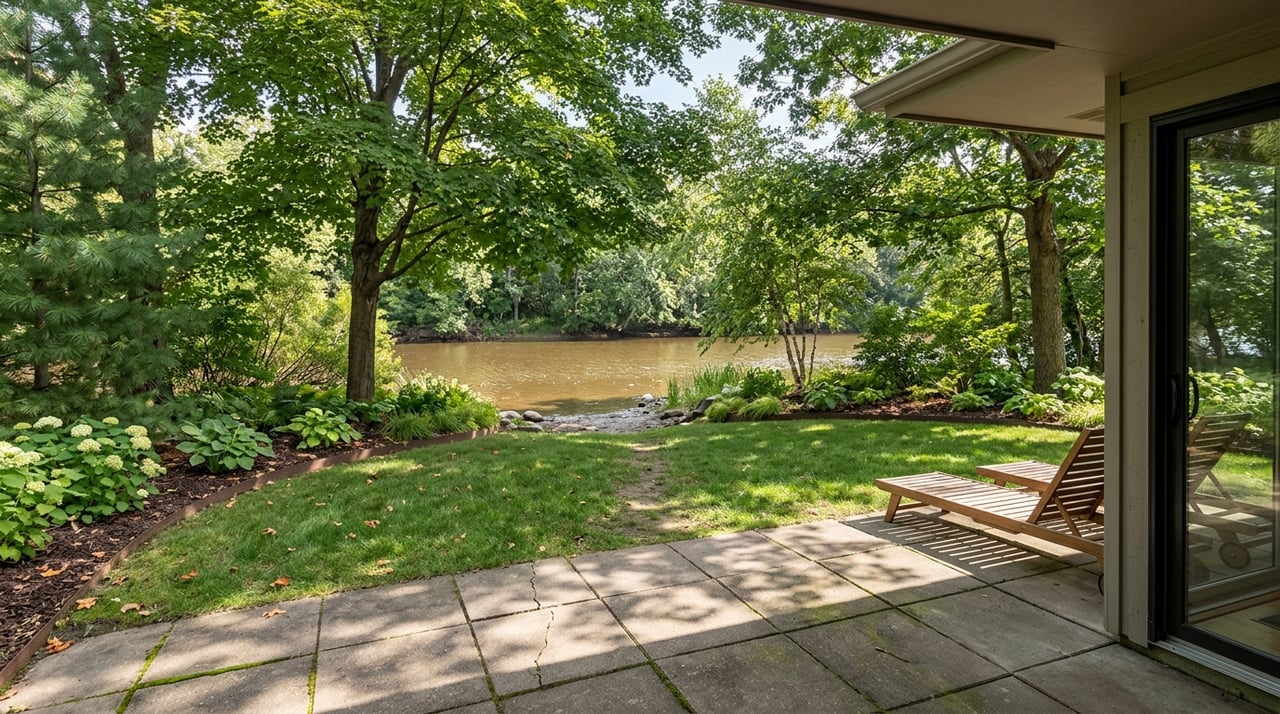
Michigan property taxes and local assessments vary and will affect your monthly payment. Build taxes and homeowners insurance into your affordability and reserve calculations. If you are looking near the Huron River or local creeks, ask about flood insurance needs and how that may affect your escrow.
Timeline to buy in Ann Arbor
90+ days before move
- Outline budget and monthly comfort range, including taxes and insurance.
- Start conversations with 2 to 3 lenders, including at least one with a physician product.
- Gather core documents: signed contract or offer letter, student loan statements, and bank statements.
45–60 days before closing
- Secure a pre-approval based on your contract and target start date.
- Begin home tours and shortlist properties with your agent.
- Understand any condo or jumbo requirements that could affect timing.
30 days to close
- Go under contract with clear financing and appraisal timelines.
- Complete appraisal, title work, and any condo documentation requests.
- Lock your rate if advised by your lender.
Closing week
- Finalize homeowners insurance and wire instructions.
- Complete your final walk-through and review closing disclosures.
- Coordinate move-in with your start date.
Document checklist for a smooth approval
- Government ID and Social Security number.
- Signed employment or residency/fellowship contract with start date and compensation.
- If already employed: recent paystubs, W-2s, and tax returns as requested.
- Degree or training completion documents and state license details, or confirmation that licensure is pending.
- Student loan statements and payment plan documentation (including IDR paperwork, if applicable).
- Bank statements for assets and reserves; retirement account statements if needed.
- Credit authorization and statements for other debts (auto loans, mortgages).
- For self-employed physicians: business tax returns, K-1s, and profit and loss statements.
Key questions to ask lenders
- Do you offer a physician mortgage? What are the exact down payment, PMI, pricing, and reserve requirements?
- How do you calculate student loans for DTI (actual payment, percentage of balance, or IDR amount)?
- What minimum credit score is required, and how do your rates compare to conventional loans?
- Will you accept a residency or future employment contract to qualify me? Are there start-date restrictions?
- What property types are eligible, and how do you handle condos or new construction?
- What is the typical time to close? Are there origination points, lender fees, or prepayment penalties?
- How long can I lock my rate, and what is required to lock?
Alternatives to physician mortgages
- Conventional conforming loans, often with 3–5% down but with PMI under 20% down.
- FHA loans with low down payment and mortgage insurance premiums.
- VA loans for eligible veterans, typically 0% down and no PMI.
- Jumbo conventional options that may compete on rate depending on your profile.
- Portfolio loans from banks or credit unions that may match or beat a physician product for certain borrowers.
Smart shopping and consumer protections
- Compare at least three written Loan Estimates and focus on total cost over 3–7 years.
- Confirm in writing how your student loans are treated in the DTI calculation.
- Review lender fees, including any points, and ask about credit for appraisal or condo review if offered.
- Identify any condo approval requirements early to avoid delays.
- Keep all promises in writing and review disclosures carefully before you lock.
How we help UM physicians and trainees
You have a lot on your plate before a July start or a new faculty role. Our team pairs neighborhood knowledge with a clear, step-by-step purchase plan that aligns with your contract timeline. We coordinate fast tours, organize documents with your lender, and surface condo or appraisal issues early so you can close on time.
Whether you need a short-list near the medical campus, a quiet neighborhood within a manageable commute, or strategic guidance on competing in a low-inventory market, we tailor your search to your goals and schedule. If you want an experienced local partner and a smooth process from offer to keys, let’s talk.
Ready to get started? Connect with Charles by Reinhart for a personalized plan and a confident Ann Arbor home purchase.
FAQs
What is a physician mortgage and how is it different?
- It is a lender-designed home loan for medical professionals that often allows low or no down payment, no PMI, and underwriting based on future employment contracts, unlike standardized conventional loans.
Can residents and fellows buy before their Ann Arbor start date?
- Many lenders will qualify you using a signed residency or fellowship contract with a future start date, subject to each lender’s rules and required documentation.
How are student loans counted when qualifying?
- Lenders vary: some use your actual documented payment, others use a percentage of your balance or your IDR payment; the method can significantly affect your qualifying amount.
Are condos eligible for physician mortgages in Ann Arbor?
- Often yes, but condo projects may need specific approvals; policies vary by lender, so confirm eligibility and required documents early in the process.
How far in advance should I start if my start date is July 1?
- Begin lender conversations 60–90 days before closing and ideally 3–4 months before your target move date, since condo reviews or jumbo underwriting can add time.
What are the main alternatives if a physician loan is not the best fit?
- Consider conventional conforming, FHA, VA (if eligible), or jumbo conventional options; compare total costs, including PMI or mortgage insurance, against physician loan terms.